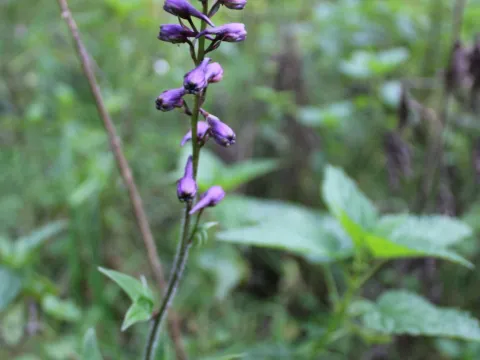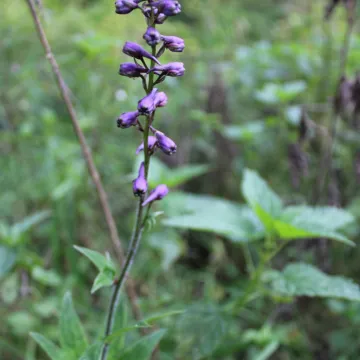

Delphinium retropilosum
Delphinium retropilosum
Description
Delphinium retropilosum is a perennial herbaceous plant belonging to the Ranunculaceae family. In agricultural and horticultural terms, it is highly valued for its striking vertical flower spikes, making it a prominent choice for ornamental landscapes and cut flower production sectors.
Originating from mountainous regions in Central Asia and the Caucasus, the species has developed significant hardiness. It is well-suited for cultivation in temperate zones where it can thrive under consistent environmental conditions, provided there is adequate drainage and protection from harsh winds.
Botanically, the plant is distinguished by its robust stems and palmate, deeply lobed leaves. The specific epithet retropilosum refers to the distinct hairiness on the stems and leaves, which acts as a protective layer against environmental stressors and potential herbivorous insects.
The agronomic success of this crop relies on soil quality and moisture management. It requires well-drained, fertile loamy soils with a near-neutral pH. Proper agrotechnical practices involve regular application of organic matter, systematic weeding, and staking the stems to prevent lodging during periods of high wind or heavy rainfall.
Maintenance of crop health is critical, as the species is susceptible to several common threats. Primary issues include powdery mildew and crown rot, which often occur in poorly ventilated areas. Growers should also monitor for common pests like aphids and Delphinium leaf miners, employing integrated pest management strategies to ensure optimal bloom quality.
Photo gallery