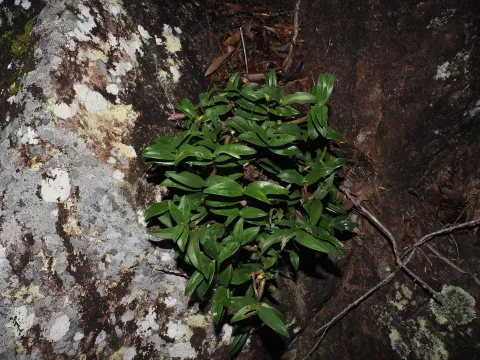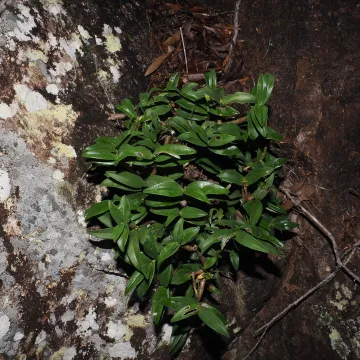
King's dendrobium
Dendrobium kingianum Bidwill ex Lindl.
Description
Dendrobium kingianum, commonly known as the King's dendrobium, is a specialized botanical species belonging to the Orchidaceae family. It is widely recognized for its adaptability and is categorized as a sympodial orchid, typically growing as a lithophyte on rocks or as an epiphyte in its natural habitat.
The plant is native to the eastern coast of Australia, specifically within Queensland and New South Wales. This region provides a diverse range of microclimates, which has endowed the species with high tolerance to temperature fluctuations and varying light intensities, making it a favorite among orchid enthusiasts globally.
Botanically, the plant is identified by its clustered, cane-like pseudobulbs that typically reach heights between 10 and 30 centimeters. The leaves are leathery and persistent, providing structural integrity. The inflorescences appear from the top nodes of mature canes, producing multiple fragrant, star-shaped flowers that range in color from white to various shades of pink and purple.
Successful cultivation requires a well-draining orchid substrate, predominantly composed of pine bark or inert materials. During the growing season, plants require bright, indirect light and regular fertilization. A critical component of its care is a distinct winter rest period, where temperatures are dropped significantly and water is strictly limited to encourage the initiation of flower spikes.
- Provide bright light, but avoid direct midday sun.
- Maintain high air circulation to prevent fungal pathogens.
- Use a balanced, dilute orchid fertilizer during the active growth phase.
- Ensure a dry, cool dormancy period in winter.
The primary threats to this culture include infestations by spider mites, scale insects, and mealybugs, which thrive in low-humidity environments. Furthermore, poor drainage can lead to root rot caused by various fungal and bacterial infections. Preventive measures include proper sanitation of tools, consistent airflow, and the use of high-quality, specialized orchid media.
Photo gallery