Sea derbesia
Derbesia marina
Description
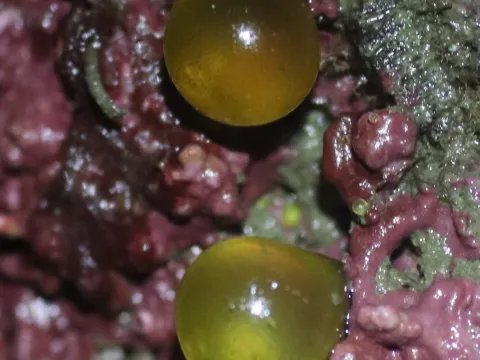
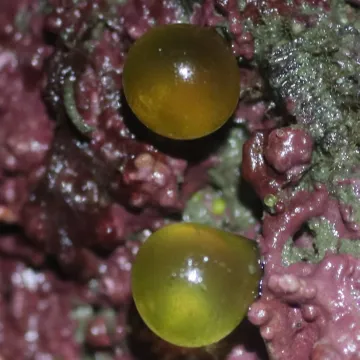
Sea derbesia (lat. Derbesia marina) is a prominent species of siphonous green algae belonging to the family Derbesiaceae. This organism is highly valued in botanical research due to its complex heteromorphic life cycle, where the gametophyte and sporophyte stages were historically classified as separate species, showcasing a unique biological adaptation to marine environments.
The natural range of Derbesia marina covers temperate and subtropical coastal regions across the globe. It is commonly found attached to rocky substrates in intertidal and shallow subtidal zones. Its distribution is highly dependent on water quality, current speed, and the availability of stable surfaces for attachment, allowing it to form dense, mat-like colonies in nutrient-rich waters.
Botanically, the thallus of this algae consists of coenocytic filaments, meaning they lack cross-walls, which allows for efficient nutrient transport within the organism. The plant possesses multiple chloroplasts that enable rapid photosynthesis. Its reproduction cycle, which involves both vegetative growth and the production of flagellated zoospores, allows the algae to populate new areas rapidly under favorable conditions.
Cultivation requirements involve maintaining precise water parameters, including salinity levels between 25-35 ppt and controlled illumination cycles to simulate natural photoperiods. In an aquaculture setting, the agrotechnical management involves regular monitoring of nitrate and phosphate levels. Proper aeration and flow circulation are essential to prevent the accumulation of waste products that could inhibit healthy vegetative growth.
The primary utility of Derbesia marina lies in its use as a model organism for studying cellular physiology and bio-compounds. However, in professional aquaculture and marine hobbyist systems, it is often managed as a pest species. Due to its rapid growth rate, it can outcompete desirable species for nutrients and space, necessitating the use of targeted control strategies, including nutrient limitation or biological herbivory.
Photo gallery