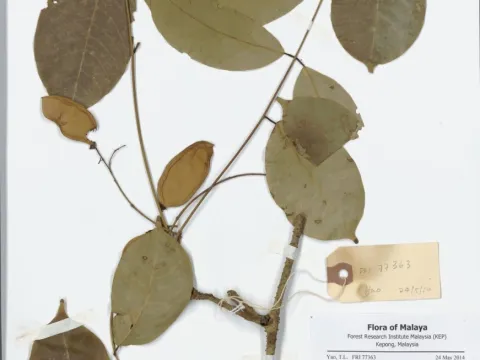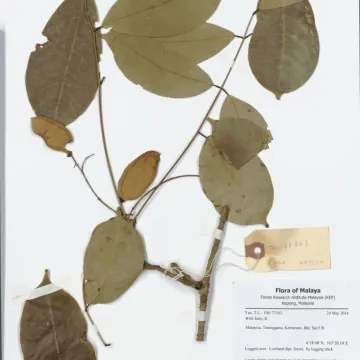
Derris malaccensis
Derris malaccensis
Description
Derris malaccensis is a perennial woody climbing plant belonging to the Fabaceae (legume) family. This species is widely recognized in agronomy for its secondary metabolites, specifically rotenone, which serves as a potent botanical insecticide and piscicide.
The plant originates from the tropical regions of Southeast Asia, particularly the Malay Peninsula. It thrives in high-temperature environments with consistent moisture, typically requiring tropical climates to achieve optimal growth and secondary metabolite accumulation within its root system.
Botanically, it features pinnately compound leaves and climbing stems that require structural support. The root system is extensive and fibrous, serving as the main reservoir for the concentrated active compounds. Flowering typically occurs in clusters, producing pod-like fruits characteristic of the legume family.
Successful cultivation of Derris malaccensis requires deep, well-drained, fertile soils with a slightly acidic to neutral pH. Proper agrotechnology involves planting through stem cuttings, maintaining adequate spacing for aeration, and protecting young plants from competitive weeds. Providing trellis support significantly boosts the yield of the aerial biomass.
- Requires warm, humid tropical conditions.
- Prefers well-drained loamy soils.
- Propagation primarily through stem cuttings.
The primary economic use is the extraction of rotenone for bio-insecticides. However, producers must manage potential issues such as root rot caused by waterlogging and infestations by leaf-eating caterpillars, which are the most common pests affecting these plantations globally.
Photo gallery