Desmidium swartzii
Desmidium swartzii
Description
Desmidium swartzii is a filamentous green alga belonging to the Desmidiaceae family. It serves as an essential subject in experimental phycology and modern biotechnology. The species is recognized for its unique structural integrity and high potential for biomass accumulation in controlled aquatic environments.
The natural range of Desmidium swartzii includes freshwater ecosystems across various climatic zones globally. It typically thrives in acidic to neutral waters, showing high resilience to environmental fluctuations. This adaptability makes it a versatile organism for research and potential industrial applications in diverse geographical regions.
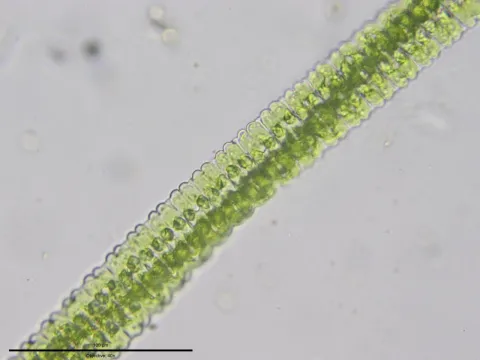
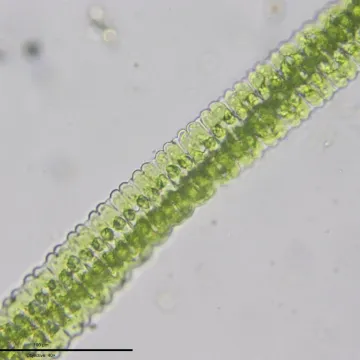
Botanically, Desmidium swartzii is characterized by multicellular filaments composed of cells with distinct, deeply constricted junctions. These cells contain robust chloroplasts optimized for photosynthesis. The structural composition of the cell walls, combined with the colonial habit, allows for efficient harvesting processes in large-scale production setups.
Agronomic requirements for cultivation involve precisely balanced nutrient media mimicking natural freshwater mineral composition. Optimal growth is achieved through regulated light intensity and temperature control, typically kept between 20°C and 25°C. Continuous monitoring of chemical parameters is vital to prevent culture crash and maintain high productivity rates.
Industrial use of this species focuses on the production of high-value pigments, proteins, and lipids for sustainable aquafeed and bio-based products. Disease management involves protecting the algae from viral attacks and predatory protozoa. Producers must implement standardized cleaning protocols to ensure the purity and vitality of the Desmidium swartzii colonies during the growth cycle.
Photo gallery