Desmodium cuneatum
Desmodium cuneatum
Description
Desmodium cuneatum is a perennial leguminous plant belonging to the Fabaceae family. This crop is highly recognized in agricultural science for its ecological role as a nitrogen-fixing plant, which significantly enhances soil fertility and promotes sustainable farming practices in tropical and subtropical regions.
The plant originates from South America, where it has evolved to thrive in diverse ecological niches. Over time, it has been cultivated in various global regions characterized by warm climates and adequate rainfall. Its distribution is largely dictated by the plant's sensitivity to frost, which limits its range to frost-free environments.
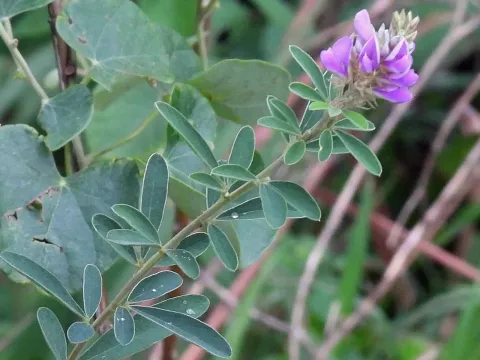
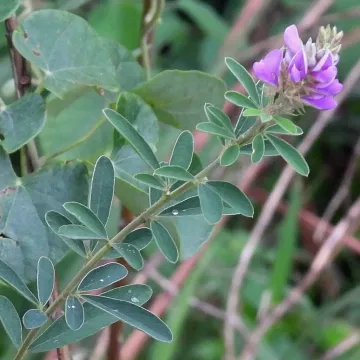
Botanically, it is distinguished by its characteristic wedge-shaped leaflets, which give the plant its specific name. The growth habit varies from prostrate to semi-erect, allowing it to compete effectively in pasture ecosystems. Its deep root system is capable of accessing deeper soil moisture, providing a degree of tolerance to moderate dry spells.
Agronomic requirements for this crop include a preference for well-drained, slightly acidic to neutral soils. Proper field preparation is essential to reduce weed competition during the seedling stage. For optimal growth, phosphorus and potassium fertilization is often recommended, as these nutrients are crucial for supporting the biological nitrogen fixation process.
The primary agricultural use for Desmodium cuneatum is as a forage resource for livestock production. It provides a nutritious, protein-rich feed source that is highly palatable. Beyond its role as animal feed, it is extensively used in land management for soil cover, erosion control on sloping agricultural land, and as a green manure crop to recycle nutrients within the soil profile.
- High crude protein content suitable for forage.
- Effective atmospheric nitrogen fixation for soil health.
- Strong potential for integration into intensive grazing systems.
- Good adaptability to various soil types, excluding waterlogged areas.
- Valuable for biodiversity in mixed pasture stands.
Photo gallery