Desmodium distortum
Desmodium distortum
Description
Desmodium distortum is a perennial herbaceous crop belonging to the Fabaceae family. This species is widely recognized in tropical and subtropical agriculture for its significant role as a nitrogen-fixing legume, which naturally enhances the nitrogen content of the soil and promotes the growth of associated plants.
Originating from the tropical regions of the Americas, this species has been introduced to various parts of the globe where climatic conditions permit. Its adaptability to diverse environments has made it a popular choice for inclusion in permanent pastures and as an essential component in agroforestry systems across different continents.
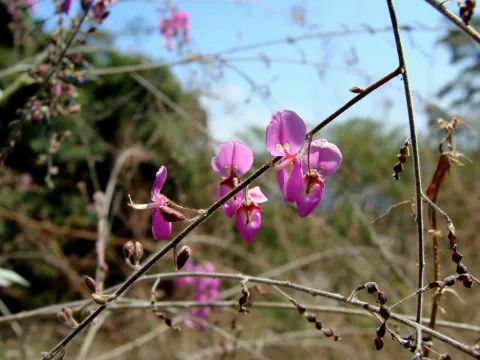
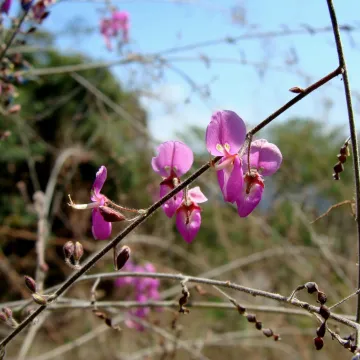
Botanically, the plant features a well-developed root system and stems that can grow quite tall. The leaves are typically trifoliate, providing dense foliage that is highly nutritious for livestock. The reproductive parts consist of small, clustered flowers, eventually developing into segmented pods that are adapted for mechanical dispersal, a characteristic that aids in its natural propagation in wilder stands.
Climatically, the crop thrives in warm environments with sufficient annual rainfall, although it displays a notable level of drought tolerance once established. It prefers well-drained, fertile soils ranging from sandy loams to clays. Agronomic practices include careful site selection, seedbed preparation to ensure good germination, and occasional weed control during the seedling stage to prevent competition.
- Excellent nutritional profile for cattle and small ruminants.
- High nitrogen-fixation capability for soil enrichment.
- Resilient to various tropical environmental stressors.
- Suitable for both grazing and cut-and-carry systems.
In terms of agricultural utility, it is primarily used as high-quality forage. Livestock grazing on stands of this plant benefit from the improved protein intake. Regarding health management, farmers should monitor for common fungal diseases that can occur in high-humidity periods and manage potential pest infestations through standard integrated pest management practices to maintain a healthy and productive crop stand.
Photo gallery