Desmodium glabrum
Desmodium glabrum
Description
Desmodium glabrum is a perennial herb belonging to the Fabaceae family, widely recognized for its agricultural utility in tropical and subtropical climates. This legume is highly valued for its role in sustainable farming systems due to its nitrogen-fixing capabilities and significant biomass production.
Originating from Central and South America, this species has been successfully introduced to various regions with similar climates. Its natural habitat includes grasslands and open forests, where it demonstrates a robust ability to adapt to diverse soil types, provided there is adequate drainage and sun exposure.
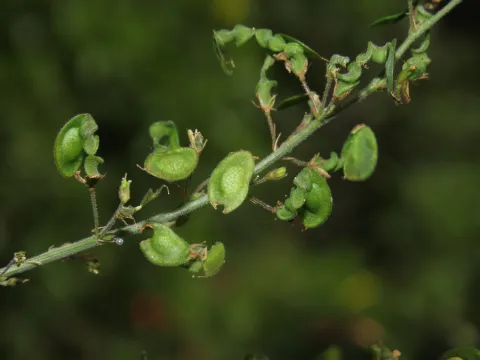
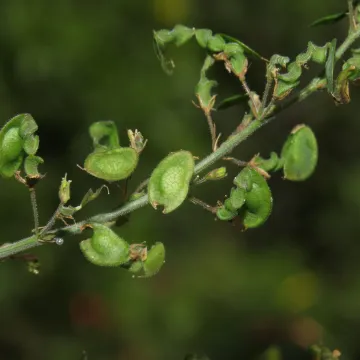
Botanically, Desmodium glabrum is characterized by its trifoliate leaves and unique jointed pods that aid in seed dispersal. The plant exhibits a vigorous growth habit, often reaching significant height, which allows it to compete effectively with weeds when established in well-managed agricultural settings.
Regarding agronomic requirements, the crop thrives in warm environments with moderate rainfall. While it shows remarkable tolerance to drought once established, soil preparation is essential: it prefers well-drained, fertile soil. Proper spacing and sowing depth are critical for ensuring uniform germination and rapid early development of the root system.
The primary economic use of this plant is as a high-quality forage for livestock, providing essential protein content in pasture systems. Beyond feeding, it is an excellent cover crop used to improve soil structure and prevent erosion. Farmers should monitor for typical legume pests such as beetles and aphids, and maintain proper field sanitation to prevent fungal diseases during high-humidity periods.
Photo gallery