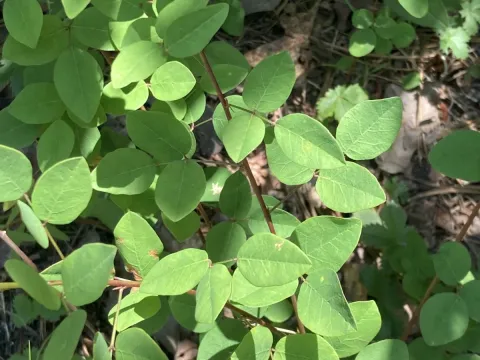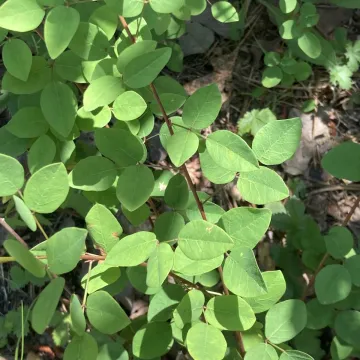
Maryland tick-trefoil
Desmodium marilandicum
Description
Maryland tick-trefoil (Latin: Desmodium marilandicum) is a perennial herbaceous plant belonging to the Fabaceae (legume) family. This crop is recognized for its agricultural value, primarily due to its symbiotic relationship with nitrogen-fixing bacteria, which contributes to soil nitrogen enrichment and ecological sustainability.
Originating from North America, this species is naturally adapted to a variety of habitats, including meadows and forest edges. In agricultural contexts, its range of cultivation is focused on regions with temperate climates where the crop can express its full potential as a high-protein forage source or a cover crop designed for soil structure improvement.
The botanical structure of the plant features a robust taproot system that facilitates efficient water and nutrient uptake. Its stems are branching and upright, carrying characteristic trifoliate leaves. The flowers are small, typically pink to purple, organized in racemes, and produce segmented legumes known as loments. These features allow the plant to adapt to various environmental stresses.
For optimal agronomic performance, Maryland tick-trefoil requires well-drained soil with a slightly acidic to neutral pH level. It thrives in locations with adequate sunlight and does not tolerate waterlogging. Agricultural management involves careful site selection, proper seedbed preparation, and post-emergence weed control to ensure the crop establishes successfully during its first season of growth.
The practical applications of this crop in farm management are diverse:
- Production of nutrient-rich forage and high-quality hay for livestock.
- Utilization as a green manure crop to recycle nutrients and build organic matter in the soil.
- Integration into erosion control plans for disturbed or sloping lands.
- Support for pollinator populations, which can benefit neighboring agricultural plots.
Crop health challenges primarily involve susceptibility to foliar fungal diseases during high-humidity periods and occasional infestations by insects such as leaf-eating beetles or aphids. Sustainable management relies on regular field scouting, balanced fertilization, and crop rotation strategies to minimize the need for chemical pesticides and ensure the long-term productivity of the stand.
Photo gallery