Desmodium scorpiurus
Desmodium scorpiurus
Description
Desmodium scorpiurus is a perennial herbaceous plant belonging to the family Fabaceae. Widely recognized in tropical agriculture, this legume is valued for its versatility as both a high-quality forage crop and a soil-enhancing cover crop. Its ability to fix atmospheric nitrogen makes it a significant asset for improving soil fertility in sustainable farming systems.
Originating from Central and South America, this species has successfully naturalized across various tropical and subtropical regions worldwide, including parts of Africa and Southeast Asia. It is typically found in diverse habitats, ranging from pastures and grassy slopes to areas around cultivated fields, demonstrating a high degree of ecological adaptability.
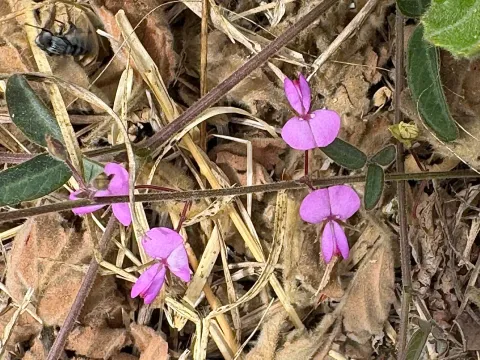
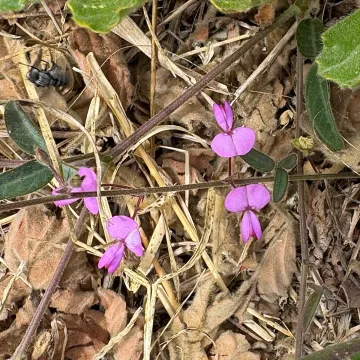
The botanical architecture of Desmodium scorpiurus features prostrate or ascending stems that can form a dense ground mat. The leaves are characteristically trifoliate and often pubescent. The flowers, which are small and grouped in racemes, lead to the production of segmented pods. These pods are equipped with hooks that facilitate epizoochory, allowing seeds to be dispersed by attaching to animal fur or human clothing.
Agronomic requirements are centered on warm, humid climates. The crop thrives in well-drained soils and shows remarkable persistence in various soil textures, including less fertile types. In terms of cultivation management, it is important to prepare the seedbed adequately to ensure good germination. Once established, the plant is relatively low-maintenance, though initial weed control is essential for successful stand establishment.
The primary agricultural uses include:
- High-quality protein source for grazing livestock.
- Effective cover cropping to suppress weed growth and prevent erosion.
- Green manure to enhance soil nitrogen levels.
- Restoration and reclamation of degraded grazing lands.
The crop is susceptible to certain fungal leaf diseases, particularly when humidity levels remain consistently high, which can hinder plant health and vigor. Pests, such as pod-boring insects and leaf-chewing larvae, may also impact yields. Good agricultural practice involves monitoring plant health and maintaining adequate field drainage to reduce the risk of disease outbreaks and ensure optimal biomass production.
Photo gallery