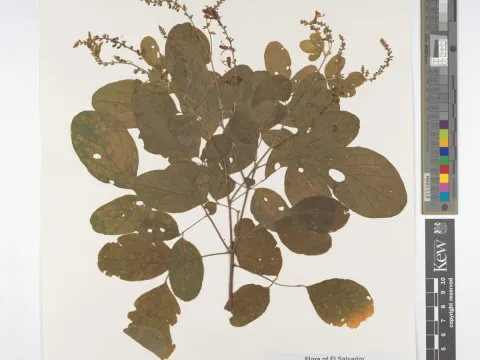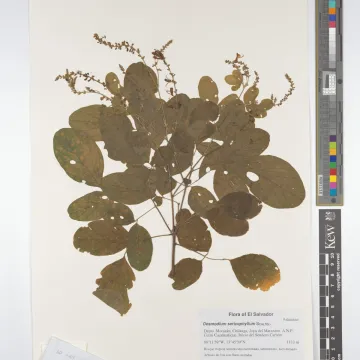

Desmodium sericophyllum
Desmodium sericophyllum
Description
Desmodium sericophyllum is a perennial herbaceous plant belonging to the family Fabaceae. Renowned for its resilience and high biomass production, it serves as a critical agricultural asset in tropical climates, contributing significantly to the sustainability of forage production systems.
Originating from the tropical regions of the Americas, this species has been widely distributed across tropical belts worldwide. It thrives in diverse environments, from humid lowlands to moderately elevated terrains, where it is frequently utilized for pasture improvement and soil conservation programs due to its robust growth habits.
The botanical profile of the plant features distinctively pubescent leaves, which provide a silky appearance—hence the specific epithet "sericophyllum." Its root system is highly efficient, forming deep symbiotic relationships with rhizobia, which allows the plant to fix atmospheric nitrogen and significantly boost soil fertility in nutrient-poor environments.
Cultivation of Desmodium sericophyllum requires attention to soil drainage and moisture management. It is best adapted to regions with consistent rainfall, though it exhibits moderate drought tolerance once established. Standard agronomic practices involve maintaining appropriate grazing intervals to encourage lateral growth and managing soil pH to ensure optimal nutrient uptake.
- Superior nutritional value for livestock.
- High nitrogen-fixing potential.
- Excellent ground cover for erosion control.
- Competitive growth against invasive weeds.
Common agricultural challenges include susceptibility to fungal pathogens like anthracnose during prolonged wet seasons and damage from foliage-feeding insects. Successful management strategies prioritize integrated pest management (IPM), careful selection of planting sites with optimal drainage, and rotational grazing to keep the plant canopy healthy and less prone to disease outbreaks.
Photo gallery