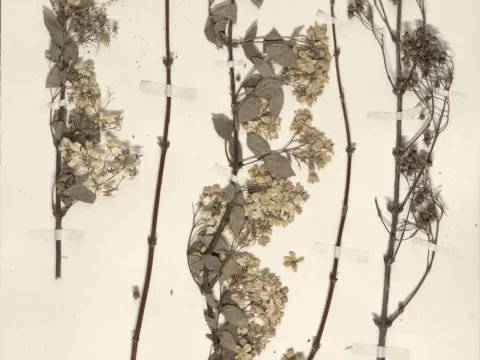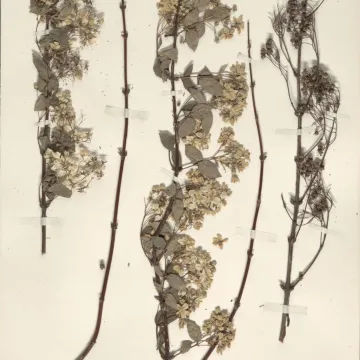
Deutzia elegantissima
Deutzia elegantissima
Description
Deutzia elegantissima is a highly ornamental deciduous shrub belonging to the Hydrangeaceae family. This plant is a hybrid species known for its elegant growth habit and profuse flowering, making it a staple in decorative horticulture across temperate regions.
Originating from ancestral species native to East Asia, including China and Japan, this hybrid has been refined for garden cultivation. It is widely grown in temperate zones where its frost tolerance and ability to thrive in various soil types make it a favored choice for landscape designers and gardening enthusiasts alike.
Botanically, it is a robust shrub that typically grows to a height of 1.5 to 2 meters. It features lance-shaped, serrated leaves and produces abundant clusters of fragrant, pink-tinted flowers in late spring or early summer. The plant’s structure is characterized by arching branches that gracefully support the floral load.
The agronomic requirements for success include selecting a site with good sun exposure or light shade. The shrub thrives in fertile, well-drained loamy soils. Maintenance practices should focus on adequate irrigation during dry spells, as well as periodic pruning, which is essential to remove old wood and encourage a new, vigorous display of blooms each season.
- Light requirements: Full sun to partial shade.
- Soil type: Fertile, moist, well-drained, neutral to slightly alkaline.
- Watering: Consistent, especially during the establishment phase.
- Pruning: Annual pruning immediately after the flowers fade.
The primary horticultural use of this plant is in ornamental landscaping. It is frequently employed as an eye-catching specimen plant, integrated into shrub borders, or used to form loose, naturalistic hedges. Its structural elegance provides aesthetic value throughout the spring and summer months.
In terms of plant health, gardeners should be vigilant against common fungal issues, particularly powdery mildew, which can arise in poorly ventilated or excessively humid conditions. Pests such as aphids and leaf rollers may occasionally affect the foliage. Maintaining good air circulation and utilizing integrated pest management strategies will help ensure the shrub remains healthy and vibrant.
Photo gallery