Deutzia parviflora
Deutzia parviflora
Description
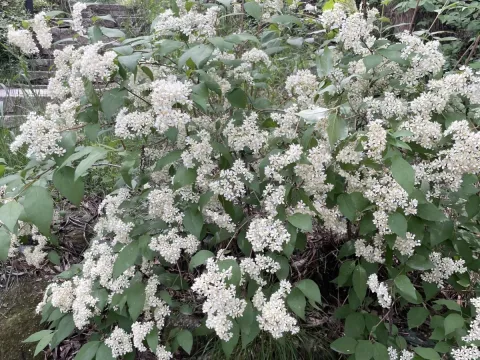
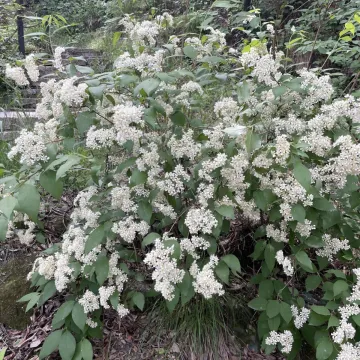
Deutzia parviflora, commonly known as the small-flowered deutzia, belongs to the Hydrangeaceae family. This ornamental shrub is highly prized by horticulturists for its spectacular, dense clusters of white flowers that emerge during the late spring season, creating a stunning visual impact in any landscape setting.
Originating from East Asia, this species is naturally found across regions including the Russian Far East, China, Korea, and Mongolia. Its ability to thrive in diverse ecological niches, such as forest edges and rocky slopes, highlights its robust nature and adaptability when introduced into managed cultivation environments.
Botanically, the shrub typically reaches a height of up to 2 meters. It features attractive, lanceolate-ovate leaves with serrated margins. The characteristic feature is its inflorescence—dense corymbs of small, white flowers that cover the branches, providing a showy display that lasts for several weeks if weather conditions remain favorable.
Successful cultivation of Deutzia parviflora requires a location with full sun to light shade and well-drained, fertile soil. The shrub performs best in sites protected from harsh winter winds. Proper irrigation is crucial during the establishment phase, and though it is drought-tolerant once mature, consistent moisture levels during the blooming season are recommended.
Maintenance involves routine pruning immediately after the flowering period to encourage new growth for the subsequent season's blossoms. While the plant is generally resistant to most pests, gardeners should monitor for aphids or leaf spots. Regular fertilization with balanced, slow-release nutrients in early spring will maintain the plant's vigor and prolific flowering potential.
- Ideal for mixed shrub borders and ornamental hedges.
- Prefers slightly alkaline to neutral soil conditions.
- Can be propagated through softwood or hardwood cuttings.
- Provides excellent aesthetic contrast when planted with evergreens.
Photo gallery