
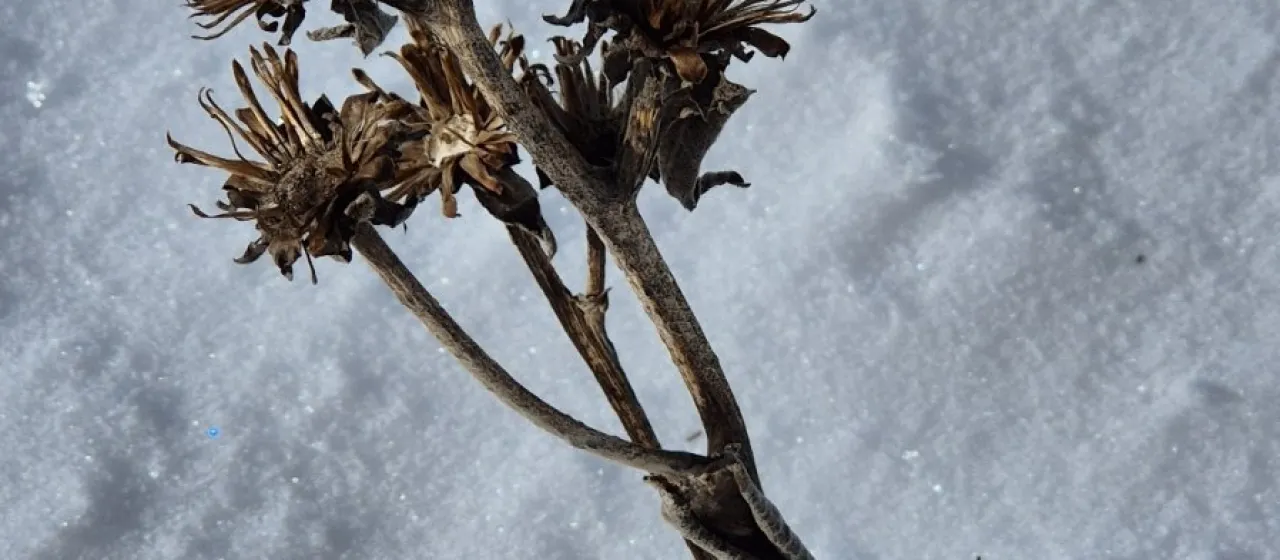
Description
Elecampane (lat. Inula helenium L.) is a perennial herbaceous plant belonging to the Asteraceae family. Known for its sturdy appearance and significant medicinal properties, it can grow up to 2.5 meters tall. Its massive, fleshy rhizomes are highly valued for their high concentrations of inulin, a prebiotic fiber, and essential oils used in various industries.
Originally native to Central and Southern Europe and parts of Asia, Elecampane has naturalized across temperate regions of the Northern Hemisphere. It thrives in moist, fertile habitats such as meadow edges and riverbanks. In agricultural settings, it is cultivated in well-drained soils, preferring temperate climates with consistent moisture levels throughout the growing season.
The plant exhibits vigorous growth, especially after its first year. It features large, heart-shaped leaves and bright yellow, daisy-like flower heads. The root system is the primary agricultural output; therefore, the crop management focuses on soil nutrient optimization to promote deep and healthy root development over the biennial or triennial cycle.
Agricultural requirements include deep, humus-rich soil and a location with full sunlight to partial shade. Irrigation is crucial during the early stages of development and during dry spells. Farmers must manage weed competition strictly, as the plant is slow to establish in its first year. Common threats include fungal diseases like powdery mildew, especially in humid conditions, and root-feeding insects.
The primary economic use of Elecampane is in the pharmacological industry, where roots are dried and processed into syrups, teas, and extracts to support respiratory and digestive health. Additionally, the root has historical applications as a flavoring agent in beverages and confectionery, and its essential oils are used in the fragrance sector for their woody, earthy aroma.
- Optimal harvest time is autumn of the second or third year.
- Propagation via seed or root division is standard.
- Requires minimal fertilization but benefits from compost application.
- Roots must be thoroughly washed and dried to prevent spoilage.