Diabelia spathulata
Diabelia spathulata
Description
Diabelia spathulata is a captivating deciduous shrub belonging to the Caprifoliaceae family. Formerly known under the scientific name Abelia spathulata, this plant has been reclassified into its own genus. It is highly esteemed in botanical circles and horticultural circles for its elegant growth habit and attractive, tubular flowers that appear during the spring and early summer seasons.
Originating from Japan, this species typically thrives in woodland habitats and mountainous regions. Its natural environment has shaped its preference for filtered light and well-structured soils. In the context of cultivation, it is widely used in residential landscapes and botanical gardens, particularly in temperate regions where its distinct, delicate beauty can be showcased effectively against a backdrop of greenery.
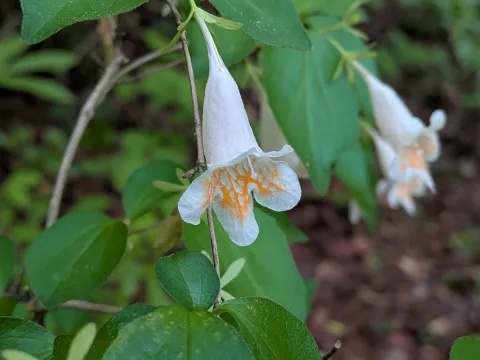
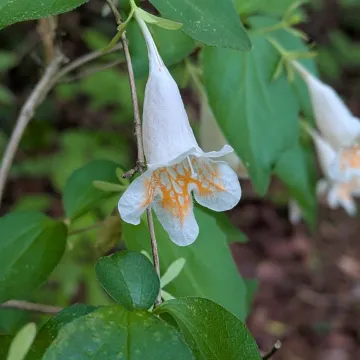
Botanically, the plant is characterized by its slender, arching branches and distinctively spatulate-shaped leaves. The flowers are typically white to pale pink, often featuring a contrasting yellow throat, which adds a subtle but striking decorative detail. After flowering, the plant produces dry, leathery capsules that persist on the branches, providing interest even after the petals have fallen.
Success in cultivating Diabelia spathulata relies on providing the right environmental conditions. It demands a well-drained, nutrient-rich soil with an acidic to neutral pH. While it is adaptable, it performs best in positions that offer protection from intense midday sun and harsh, drying winds. Consistent moisture is essential during the active growing season, but the plant must be protected from waterlogged conditions to prevent root rot.
Maintenance and pest management are straightforward if the basic requirements are met. Routine pruning should be performed in early spring to remove dead wood and encourage a denser, more vigorous habit. Gardeners should remain vigilant for common pests such as aphids or spider mites, which may occasionally infest the foliage. Providing a layer of organic mulch around the base of the plant helps maintain soil moisture and regulates root temperature throughout the year.
Photo gallery