Velvet tamarind
Dialium guineense
Description
Velvet tamarind (Dialium guineense) is a perennial tropical fruit-bearing tree belonging to the Fabaceae family, specifically the Caesalpinioideae subfamily. The plant is widely recognized for its edible, velvet-skinned fruits that are a staple in many traditional diets across its native range.
Native to West Africa, the species is found growing naturally across a broad geographic belt from Senegal to Nigeria. It thrives in diverse environments, ranging from dense tropical rainforests to savanna woodlands, demonstrating significant adaptability to different ecological niches within the African continent.
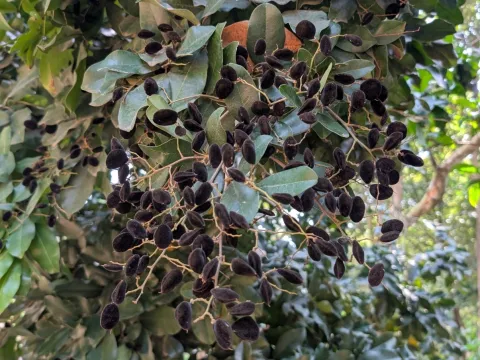
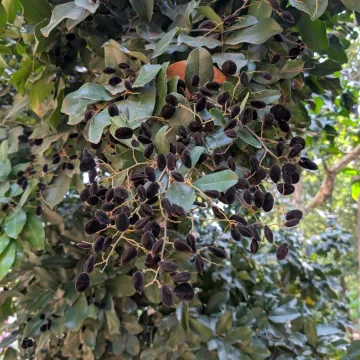
Botanically, it is a robust tree that can grow up to 20 meters tall. It features dark green compound leaves and produces small, rounded pods with a brownish, velvety shell. Inside, a sweet and tangy orange-colored pulp surrounds the seeds, which is highly appreciated for its nutritional profile, including vitamins and essential minerals.
Regarding cultivation, the species requires fertile, well-drained soil and a tropical climate with reliable rainfall patterns. It performs best in areas with high humidity and prefers temperatures that remain consistently warm throughout the year. Agronomic practices typically involve selecting resilient seedlings and ensuring adequate weed control during the establishment phase.
The tree serves multiple economic purposes: its fruits are harvested for fresh consumption and processing into beverages or snacks. The timber is exceptionally dense and durable, making it ideal for construction and furniture manufacturing. Furthermore, its biological components are used in traditional medicine for their therapeutic properties.
- Excellent drought tolerance in mature trees.
- Susceptibility to specific insect pests affecting fruit yield.
- Importance of protecting saplings from intense direct sunlight.
Photo gallery