French pink
Dianthus gallicus
Description
French pink (Dianthus gallicus) is a herbaceous perennial flowering plant belonging to the Caryophyllaceae family. This species is notably adapted to the coastal environments of Western Europe, where it thrives in sandy soils and helps stabilize dune ecosystems through its root structure.
The plant originates from the Atlantic coastal regions of France. In the context of cultivation, it is valued by horticulturalists for its ornamental appeal, particularly in regions where environmental conditions are too harsh for more sensitive garden varieties. Its resilience to sandy conditions makes it a unique addition to specialized garden beds.
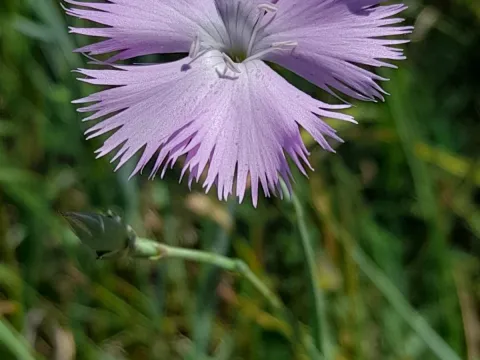
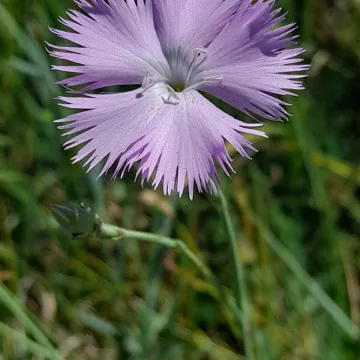
Botanically, Dianthus gallicus is characterized by glaucous, linear leaves and stems that grow to a modest height. The flowers are typically pink or purple with serrated petals, emitting a subtle fragrance that attracts pollinators. The blooming season generally occurs throughout the summer months, depending on local temperatures.
The agricultural and horticultural requirements are centered on excellent drainage and full sun exposure. It is crucial to prevent waterlogging, as the plant is highly susceptible to root decay in heavy, moist soils. The substrate should ideally mimic its native coastal habitat, focusing on light, sandy textures with a neutral to alkaline pH balance.
The primary use of this plant is ornamental, specifically for xeriscaping or rock gardens. Regarding pest and disease management, the main threats include fungal pathogens such as rust and root rot, which are often consequences of improper irrigation. Maintaining good air circulation is essential for the health of the foliage.
- Excellent drought tolerance
- Requires sandy, well-drained soil
- Suitable for coastal landscaping
- High sunlight requirement
Photo gallery