Hyssop-leaved pink
Dianthus hyssopifolius
Description
The hyssop-leaved pink (Dianthus hyssopifolius) is a perennial herbaceous plant belonging to the Caryophyllaceae family. It is widely recognized for its resilience and ability to thrive in harsh, rocky conditions, making it a valuable species for rock gardens and naturalistic landscapes.
Originating from the mountain regions of Southern and South-Western Europe, this plant has adapted to diverse climatic conditions. Its natural distribution is closely tied to limestone soils and sunny, exposed environments, where it demonstrates strong survivability against environmental stressors.
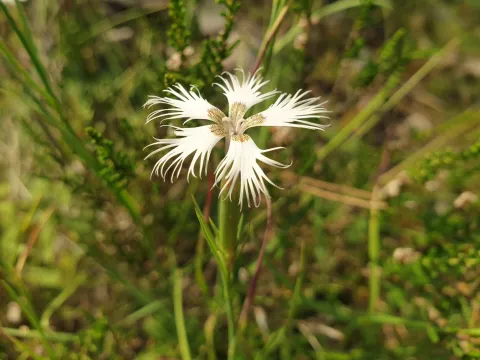
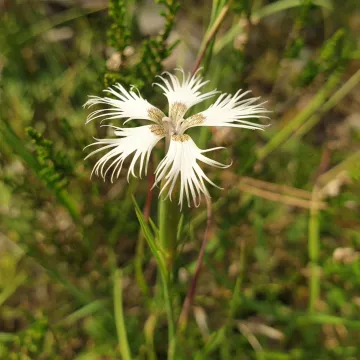
Botanically, the plant is characterized by its narrow, linear leaves that resemble the foliage of hyssop. It produces solitary flowers featuring dentate petals, which typically display various shades of pink. The plant structure is generally compact, forming tufts or mats that contribute to its distinctive appearance in alpine-style gardens.
Agricultural and gardening requirements focus on well-drained, sandy, or rocky soil with a neutral to alkaline pH. The plant requires full sunlight to initiate robust flowering and maintain its compact form. Over-watering should be strictly avoided to prevent root rot, and regular pruning of faded flowers can encourage a prolonged blooming period.
The primary use of this crop is in the ornamental sector, particularly for ground cover in rocky areas or specialized flower beds. Common phytosanitary challenges include fungal infections caused by excessive humidity or poor soil drainage, and occasional infestations by aphids or spider mites, which can be managed through appropriate site selection and basic pest control measures.
Photo gallery