Lusitanian pink
Dianthus lusitanus
Description
Lusitanian pink (Dianthus lusitanus) is a perennial herbaceous plant belonging to the family Caryophyllaceae. Known for its resilience and adaptability, this species is a notable member of the Dianthus genus, frequently recognized for its graceful appearance and suitability for xeriscaping.
The plant originates from the Iberian Peninsula, specifically from the Mediterranean climates of Portugal and Spain. Its natural habitat includes stony slopes and rocky areas, which has shaped its physiological evolution to thrive in nutrient-poor substrates and endure periods of low water availability.
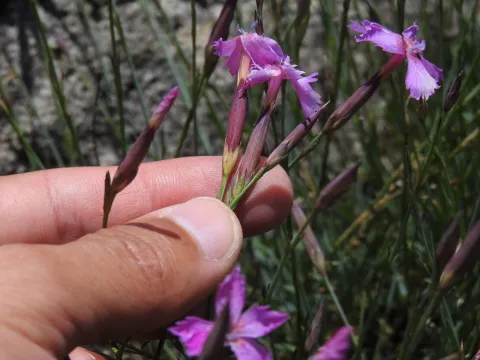
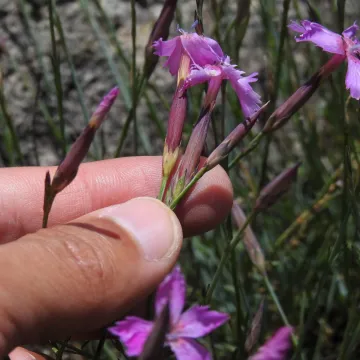
Botanically, Dianthus lusitanus features narrow, glaucous-green leaves organized in a basal rosette. Its erect stems produce delicate, single flowers with fringed petals, typically displaying soft pink to white shades. This structure allows the plant to efficiently manage transpiration and minimize water loss during the intense summer heat.
Agricultural requirements for this species are specific, prioritizing excellent drainage and high levels of sunlight. It performs best in neutral to slightly alkaline soils, such as limestone or sandy loam. Over-watering is the most common mistake in cultivation; therefore, the substrate must be kept relatively dry, especially during the dormant season.
The primary use of the Lusitanian pink is in ornamental gardening, particularly for rock gardens, gravel beds, and borders where drought tolerance is necessary. Potential problems include fungal infections triggered by excessive soil moisture and pest attacks from aphids or spider mites. Regular monitoring and maintaining proper spacing to ensure air circulation are vital for plant health.
- Excellent drought resistance.
- Requires full sun exposure.
- Ideal for low-maintenance rock gardens.
- High aesthetic appeal with fringed flower petals.
Photo gallery