Pine-leaved pink
Dianthus pinifolius
Description
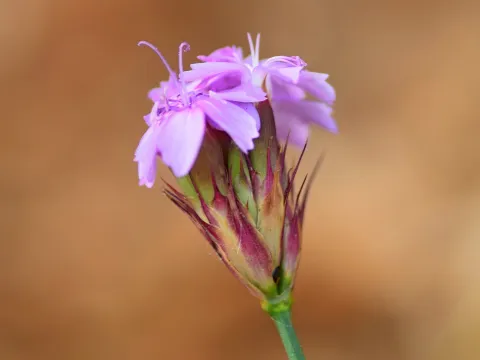
Pine-leaved pink (Dianthus pinifolius) is a perennial herbaceous plant belonging to the Caryophyllaceae family. Known for its distinct foliage that mimics pine needles, this species is highly valued in horticulture for its durability, compact growth habit, and vibrant floral displays, making it an ideal choice for rock gardens and xeriscaping.
The plant originates from the mountainous and rocky regions of Southeast Europe and the Balkans. It is naturally adapted to survive in challenging environments, often growing on rocky slopes and thin, gravelly soils. Its distribution reflects a high tolerance for both temperature fluctuations and prolonged dry spells typical of its native habitats.
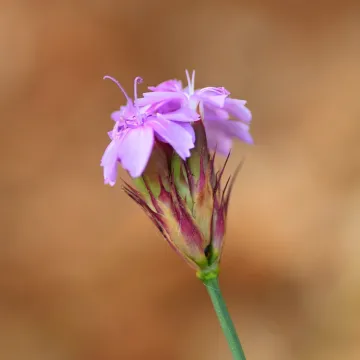
Botanically, the plant develops dense mats of narrow, rigid leaves. During the blooming season, it produces upright flowering stems that terminate in clusters of deep pink or purplish blossoms. This architecture allows the plant to efficiently manage moisture and light exposure, supporting its survival in exposed locations.
Agricultural and gardening requirements for the successful establishment of Dianthus pinifolius focus on excellent drainage. The species thrives in sandy, gritty, or chalky soils with a neutral to slightly alkaline pH. It is essential to avoid sites where water accumulates, as root rot is the primary risk to the plant's health in cultivated gardens.
While generally robust, the plant can be susceptible to fungal pathogens like leaf spot or root rot if humidity levels remain too high for extended periods. Common insect pests include aphids and spider mites, which can be managed through cultural practices such as ensuring proper spacing for air circulation and using appropriate pesticides when infestations reach an economic threshold.
Photo gallery