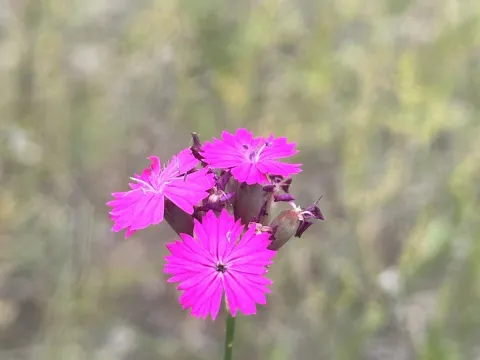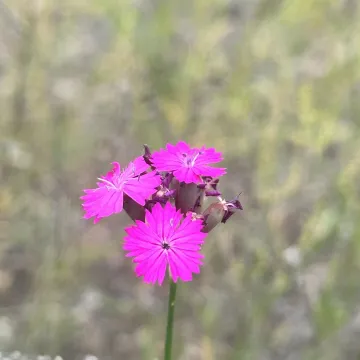
Many-faced pink
Dianthus polymorphus
Description
Many-faced pink (Dianthus polymorphus) is a herbaceous perennial flowering plant belonging to the Caryophyllaceae family. This species is highly valued in horticulture for its resilience, compact growth habit, and ability to thrive in a variety of environmental conditions, making it an excellent candidate for both ornamental displays and breeding purposes.
Originating primarily from the steppe and mountainous regions of Central and East Asia, this plant is naturally adapted to harsh climates. Its evolutionary development in these habitats has resulted in high tolerance to temperature fluctuations and limited moisture, which are critical traits for sustainable cultivation in modern agro-ecosystems.
Botanically, Dianthus polymorphus features slender, knotty stems and narrow, glaucous-green leaves organized in basal rosettes. The flowers exhibit the classic genus structure with five serrated petals, appearing in shades ranging from soft pink to deep magenta. The plant maintains a robust taproot system that supports its overall vitality and drought resistance.
For successful cultivation, the crop requires well-draining, neutral to slightly alkaline, and nutrient-rich soil. It is crucial to position the plants in full sun exposure, as shaded areas often lead to leggy growth and increased vulnerability to fungal pathogens. Standard agro-technical practices should focus on maintaining adequate soil aeration and avoiding excessive irrigation.
The primary agricultural and economic uses include:
- Enhancing rock gardens and alpine landscape designs.
- Serving as a durable ornamental groundcover in municipal green spaces.
- Providing high-quality stems for professional floristry.
- Genetic resources for developing climate-resilient garden Dianthus hybrids.
Common health issues in this crop include fungal infections like fusarium wilt and leaf spot, which are often exacerbated by poor drainage or high humidity. Major insect pests include aphids and spider mites, which require integrated pest management strategies. Regular monitoring and the application of appropriate biological or chemical treatments are recommended to ensure plant health and flower quality.
Photo gallery