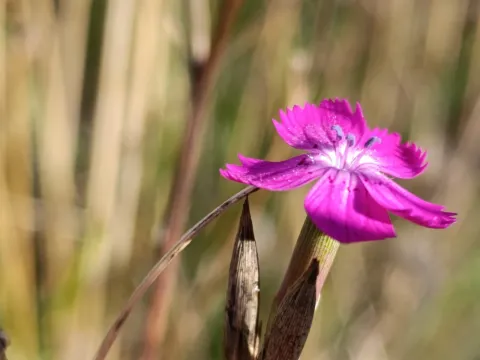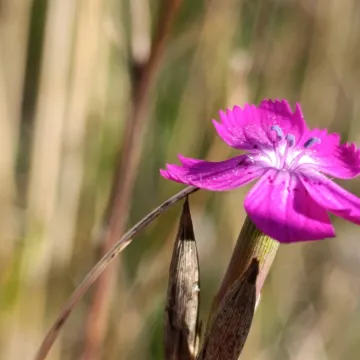
Dianthus scaber
Dianthus scaber
Description
Dianthus scaber is a herbaceous perennial belonging to the family Caryophyllaceae. Known for its distinct texture and resilience, this species is a valuable component in both natural landscapes and controlled horticultural settings, appreciated for its hardiness in diverse conditions.
The plant originates from Central and Eastern Europe, where it is typically found in dry grasslands, rocky areas, and steppe ecosystems. Its native range suggests a strong adaptation to continental climate patterns, characterized by warm summers and cold, dry winters.
Botanically, the species is defined by its scabrous (rough) stems and slender, linear leaves. The flowers are generally solitary or borne in clusters, featuring the characteristic petal structure of the Dianthus genus. It develops a robust root system that helps the plant endure periods of drought.
Cultivation requirements involve prioritizing well-drained, lime-rich or neutral soils. The plant thrives in full sun exposure and is highly susceptible to root rot if moisture levels are poorly managed. Proper spacing is essential to ensure adequate air circulation, which helps maintain the plant's health throughout the growth cycle.
Management of pests and diseases is a critical aspect of Dianthus husbandry. Common issues include fungal infections such as rust and Fusarium wilt, which can be mitigated through good site sanitation. Pests such as aphids and spider mites can also affect the plant and should be monitored regularly during the active growing season.
Photo gallery