Three-fascicled pink
Dianthus trifasciculatus
Description
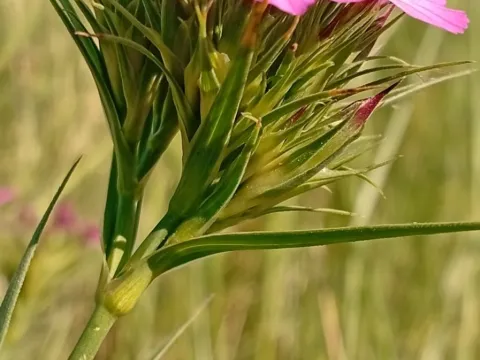
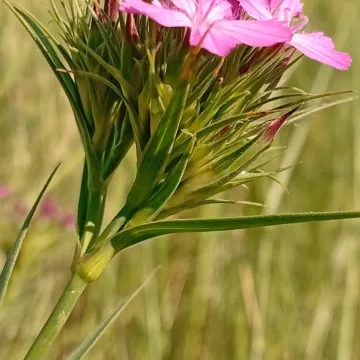
Three-fascicled pink (Dianthus trifasciculatus) is a herbaceous perennial plant belonging to the Caryophyllaceae family. Known for its distinct cluster-like flower arrangement, this species has become a recognized subject in specialized ornamental horticulture and botanical collections.
Botanically, the plant features linear, glaucous leaves and slender stems that culminate in dense, fascicled inflorescences. Its root system is well-adapted for survival in dry, rocky terrains, which makes the plant inherently robust and capable of enduring periods of environmental stress without significant damage to its vegetative health.
Originating primarily from Eastern and Central Europe, this species thrives in open, sun-drenched habitats. It is ideally suited for environments that mimic its natural wild state, such as limestone grasslands or well-drained alpine meadows, where competition from larger flora is minimal and soil drainage is optimal.
For successful cultivation, gardeners must ensure the soil is slightly alkaline or neutral and possesses excellent drainage properties. The plant is drought-tolerant once established; however, providing sufficient air circulation is critical to prevent fungal infections. Regular weeding and occasional mineral fertilization during the active growing season are sufficient to maintain healthy growth.
Its primary commercial and aesthetic use is in landscape design, particularly for xeriscaping and rock garden construction. While the species is generally resilient, it can occasionally be affected by aphids or spider mites, and in overly damp conditions, root rot may occur. Careful site selection remains the best preventive measure against these biotic stressors.
- Ideal for rock gardens and borders.
- Excellent tolerance to sun exposure.
- Low water requirements after establishment.
- Hardy perennial suitable for various climate zones.
Photo gallery