Diapensia lapponica
Diapensia lapponica
Description
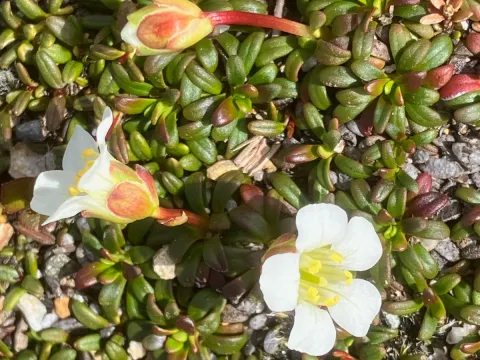
Diapensia lapponica is a small, evergreen, cushion-forming shrub belonging to the Diapensiaceae family. This species is a true botanical marvel, well-adapted to the extreme, high-latitude environments and alpine elevations where temperatures are low and winds are relentless.
The native range of this plant is circumpolar, extending throughout the tundra regions of North America, Europe, and Northern Asia. In its wild habitat, it thrives in stony, nutrient-poor soils, where it grows in tight, compact clusters to protect itself from desiccation and frost damage caused by wind exposure.
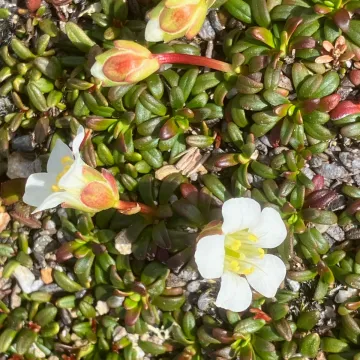
Botanically, it features small, leathery, evergreen leaves arranged in rosettes, which helps in efficient moisture retention during the short growing season. The plant produces solitary, bell-shaped flowers ranging from white to pale pink. Its growth habit is extremely slow, reflecting the short photoperiod and limited heat units available in its native arctic climate.
Agricultural and horticultural requirements for cultivation are specialized. The plant requires acidic, well-draining, gravelly soils to survive. Providing proper drainage is paramount, as moisture buildup around the base often leads to decay. It is best suited for cold-climate rock gardens or alpine troughs where the gardener can precisely mimic the cooling environment of the tundra.
The primary use of Diapensia lapponica is in ornamental horticulture, specifically for specialized alpine plant collections and rock garden installations. It is generally resistant to pests, but it is highly susceptible to root rot if placed in heavy or poorly drained soil. Maintaining constant moisture without saturation and avoiding excessive nitrogen fertilization are key to successful management.
Photo gallery