Diarthron linifolium
Diarthron linifolium
Description
Diarthron linifolium is a plant species belonging to the Thymelaeaceae family. It is an interesting subject for agricultural and botanical research, particularly due to its resilience in environments where common agricultural crops often fail to thrive.
The plant originates from the arid regions of Central Asia. Its natural habitat includes rocky slopes and sandy soils of semi-desert zones. It has evolved to survive in extreme temperatures and low precipitation, making it a potential candidate for studies regarding crop adaptation to climate change.
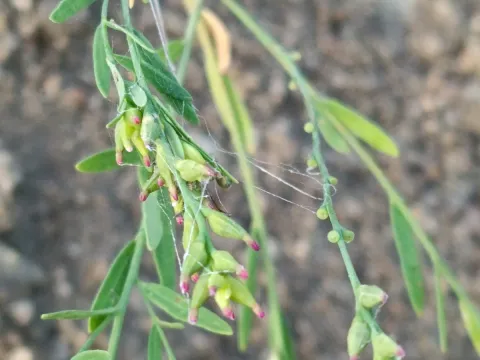
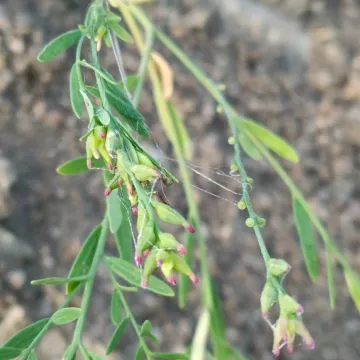
Botanically, Diarthron linifolium is distinguished by its narrow, linear leaves that resemble flax, hence the specific epithet "linifolium". The plant typically develops a robust root system, which is critical for nutrient absorption and moisture stabilization in nutrient-poor and dry soil types.
Cultivation requirements involve sandy, well-drained soil and high levels of solar exposure. It does not require intensive irrigation, as it is highly drought-tolerant. Agrotechnical management should focus on preserving the structure of the soil to ensure proper aeration, avoiding stagnant water that may cause root rot.
- Requires high levels of sunlight.
- Thrives in well-drained, porous soils.
- Highly resistant to drought conditions.
- Sensitive to excessive moisture levels.
The practical use of this plant is focused on its fiber properties and potential role in soil erosion control in arid areas. While major pests and diseases remain largely under-documented in commercial literature, growers are advised to monitor for fungal infections during periods of unusual humidity.
Photo gallery