
Diastatea micrantha
Diastatea micrantha
Description
Diastatea micrantha is an annual herbaceous plant belonging to the family Campanulaceae. Within this botanical family, it stands out for its delicate habit and specific morphological traits, which are characteristic of the Lobelioideae subfamily. It is recognized primarily for its aesthetic appeal in specialized horticultural settings.
The plant is native to the regions of Central and South America. Its natural habitat is typically found in mountainous and foothill terrains, where the climate provides a moderate temperature range and consistent moisture levels. These environmental conditions are crucial for the development of healthy plants in an agricultural or garden setting.
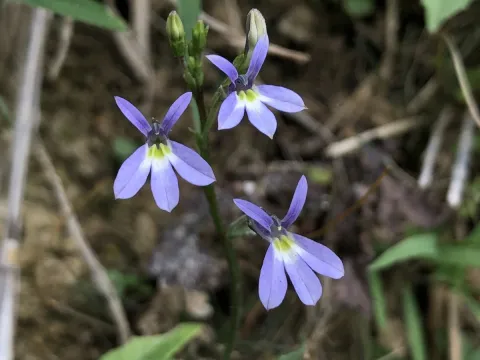
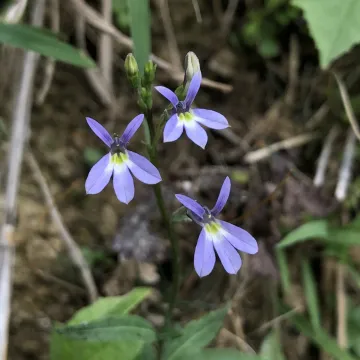
Botanically, Diastatea micrantha is characterized by a slender, branched stem with small, alternate lanceolate leaves. The flowers are zygomorphic, typical for the family, and usually display vibrant blue to purple hues. The plant completes its life cycle within one growing season, focusing its energy on rapid biomass development and prolific flowering.
When it comes to cultivation requirements, the species prefers well-drained, nutrient-rich soils with a neutral pH. It is sensitive to extreme heat and direct, harsh sunlight, making semi-shaded locations ideal for its growth. Successful agrotechnical management involves maintaining consistent soil moisture, avoiding waterlogging, and providing light feeding during the blooming stage.
The primary use of Diastatea micrantha is as an ornamental plant in landscape design, rock gardens, and container arrangements. Growers should be vigilant against common threats such as fungal root pathogens caused by poor drainage, as well as sap-sucking insects like aphids. Integrated pest management, including monitoring and moderate use of appropriate pesticides, is recommended to ensure robust plant health.
Photo gallery