Dicentra peregrina
Dicentra peregrina (J.H.Rudolph) Makino
Description
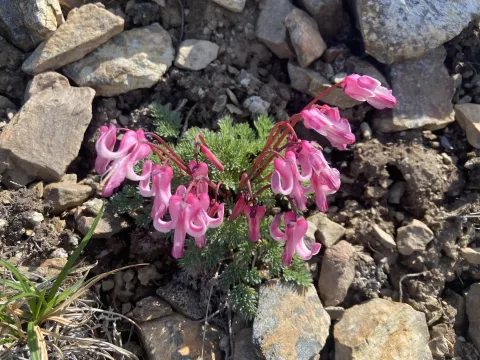
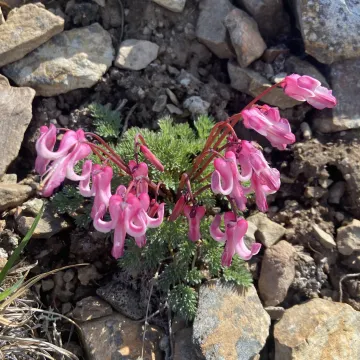
Dicentra peregrina is a remarkable perennial herbaceous plant belonging to the Papaveraceae family. Known for its distinct, delicate appearance, it stands out among other species of the genus due to its compact habit and stunning, often silver-tinted, deeply dissected foliage.
The native distribution of this plant includes high-altitude regions of East Asia, specifically Japan, Korea, and the Russian Far East. It is naturally adapted to rocky slopes and talus areas, where it thrives in environments that many other ornamental species would find too harsh or nutrient-deficient.
Botanically, the plant is characterized by its unique flower structure, featuring drooping, heart-shaped blossoms with elongated petals. The root system is delicate and highly adapted to fast-draining, stony substrates, which allows the plant to survive in its mountainous habitats with minimal organic soil depth.
In terms of agricultural and horticultural requirements, Dicentra peregrina demands a cool microclimate and excellent drainage. It is notoriously difficult to maintain in low-lying, warm areas. Success in cultivation often depends on mimicking the alpine environment, providing a gritty, acidic, and well-aerated potting mix.
The primary use of the plant is in specialized horticulture, particularly for rock gardens and alpine houses. It is highly valued by botanical collectors for its rarity and elegance. However, growers must remain vigilant against common pests like slugs and snails, and be wary of fungal diseases triggered by poor drainage or stagnant air.
- Essential need for high-quality soil drainage.
- Preference for cool and temperate growing conditions.
- High sensitivity to waterlogged roots.
- Risk of infestation by slugs and various soil-borne pathogens.
Photo gallery