Dicerocaryum zanguebarium
Dicerocaryum zanguebarium
Description
Dicerocaryum zanguebarium is an annual herbaceous plant belonging to the Pedaliaceae family. Known in some regions as the devil's thorn, it is a plant of significant interest for agricultural diversification in arid climates. The species is characterized by its remarkable ability to thrive in challenging environmental conditions where other conventional oilseed crops might fail.
The plant is native to the tropical regions of Southern and Eastern Africa, particularly within the savannah biomes. Its natural habitat spans across countries such as Zimbabwe, Mozambique, and Tanzania, where it is well-integrated into the local ecosystem. The plant has evolved to survive periods of intense drought, making it an excellent candidate for sustainable agriculture in water-scarce regions.
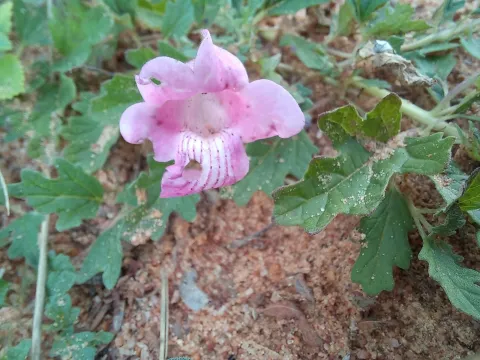
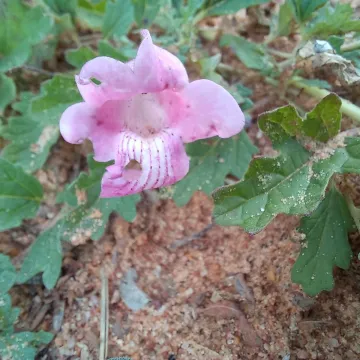
Botanically, it features a prostrate growth habit with trailing stems and distinctly shaped leaves. The flowers are typically tubular, displaying attractive pinkish-purple shades. The fruit is a flattened, woody capsule armed with two sharp spines, which gives the plant its common name and serves as a natural defense mechanism against herbivores.
Cultivation requires well-drained, sandy soils that allow for rapid drainage, preventing root rot. The crop thrives in full sun and high-temperature environments. Standard agricultural practices include preparing a fine seedbed and ensuring optimal spacing to allow for the horizontal expansion of the stems. Once established, the plant is relatively low-maintenance, requiring minimal irrigation compared to typical cereal crops.
The primary economic value of Dicerocaryum zanguebarium lies in its seeds, which are rich in high-quality vegetable oil. This oil is valued for both its nutritional profile and its potential applications in the cosmetic industry. Additionally, various parts of the plant are utilized in traditional medicine for their anti-inflammatory and antiseptic properties, providing a multi-functional utility to farmers and local communities.
- High resilience to drought and heat stress
- Excellent oil-bearing potential for food and cosmetics
- Low input requirements for successful cultivation
- Adaptability to nutrient-poor and sandy soil conditions
Photo gallery