Dichapetalum gelonioides
Dichapetalum gelonioides
Description
Dichapetalum gelonioides is a perennial woody species belonging to the family Dichapetalaceae. In its natural habitat, it manifests as an evergreen tree or a robust shrub, adapted to survive in the competitive environment of tropical forests. It is recognized for its structural integrity and its role in maintaining the ecological balance within its native geographic range.
The distribution of this species primarily spans across the tropical regions of Asia, including India, Sri Lanka, and various territories in Southeast Asia. It is highly adapted to tropical rainforest conditions, thriving in areas with high humidity and consistent rainfall patterns. The species typically occupies the lower to middle storeys of the forest canopy, benefiting from the nutrient-rich humus layers of the soil.
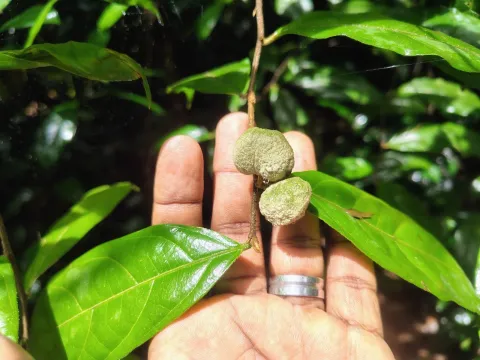
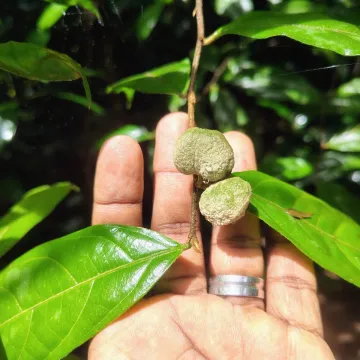
Botanically, Dichapetalum gelonioides is characterized by leathery, simple leaves and small flowers arranged in clusters, leading to the development of drupe-like fruits. The plant exhibits a slow to moderate growth rate, investing heavily in the development of a resilient root system and vascular tissues that allow it to withstand fluctuations in water availability within the forest floor environment.
The cultivation requirements for this species focus on mimicking its natural forest environment. It demands high temperatures throughout the year and a well-drained, acidic soil profile rich in organic matter. Agrotechnical interventions usually involve mulching to maintain soil moisture and protecting young saplings from direct, intense sunlight until they are sufficiently established.
Regarding its utility, the species is primarily studied for its phytochemical properties rather than mass agricultural production. While its wood has limited traditional applications, modern research focuses on secondary metabolites produced by the plant. Like many tropical woody species, it faces pressure from pests such as wood-boring beetles and pathogens that thrive in high-humidity conditions, requiring regular monitoring in experimental plots.
Photo gallery