Longhair plume grass
Dichelachne crinita
Description
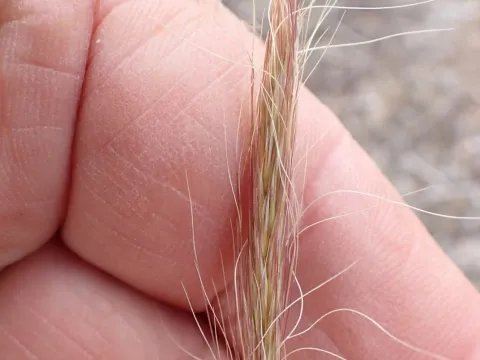
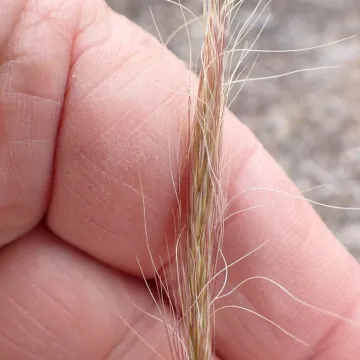
Longhair plume grass (Dichelachne crinita) is a perennial grass species belonging to the Poaceae family. This species is recognized for its unique plume-like inflorescences and is highly regarded in both ecological restoration projects and ornamental landscaping due to its resilience.
Originating from Australia and New Zealand, this grass species is well-adapted to various environments, including open woodlands, grasslands, and rocky slopes. Its natural distribution demonstrates an ability to thrive in climates that experience seasonal temperature fluctuations, making it a robust choice for temperate climate gardening.
Botanically, Dichelachne crinita is a tufted, perennial bunchgrass. It is distinguished by its narrow, arching leaves and feathery, bristly flower panicles. The awns are long and prominent, giving the plant its distinct "plume" appearance, which remains attractive even after the seeds have matured.
Regarding cultural requirements, the plant prefers well-drained soil and full sun exposure. While it is relatively drought-tolerant once established, it performs best in soils that are not overly compacted. Agrotechnical management primarily involves pruning the old foliage in early spring to encourage vigorous new growth and applying a balanced fertilizer annually.
In terms of economic and practical utility, the plant is mainly used in decorative landscape design to provide texture and movement. While not primarily grown as a fodder crop, its dense root system makes it an excellent choice for erosion control. Potential pests and diseases include common grass pathogens such as rust fungi and aphids, which are manageable through good drainage and site hygiene.
Photo gallery