Short-hair plume grass
Dichelachne sciurea
Description
Short-hair plume grass (Dichelachne sciurea) is a robust perennial grass species belonging to the Poaceae family. In agricultural and environmental contexts, this plant is recognized for its durability, ability to thrive in diverse soil conditions, and its overall contribution to sustaining ground cover in varied temperate and subtropical climates.
Originating from Australia, this grass is well-adapted to the continent's distinctive climate cycles. Its native range spans a wide variety of habitats, including open grasslands and forested margins. Because of its adaptability, the species has gained attention in other parts of the world as a viable component for grassland restoration and sustainable pasture management programs.
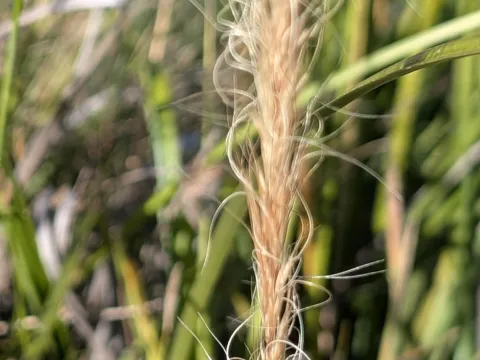
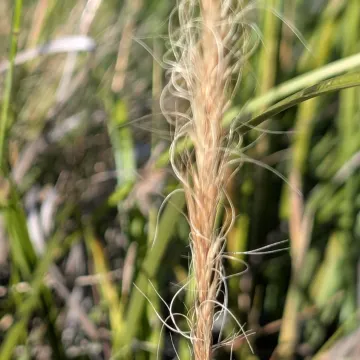
Botanically, the plant is characterized by a tufted growth habit with slender, upright stems and narrow leaves. The most distinct visual feature of Dichelachne sciurea is its plume-like panicle, which appears during the flowering season. This structure not only adds to the aesthetic appeal but is also instrumental in the wind-dispersal of its seeds.
To ensure optimal growth, the species requires well-drained soils and adequate exposure to sunlight. While it exhibits tolerance to moderate dry spells, it thrives best when there is consistent moisture during the active vegetative growth phase. Standard agronomic practices for this grass include soil testing to ensure balanced nutrient levels and the use of site-specific weed management during the establishment year.
Primary хозяйственное uses include:
- Integration into grazing pastures to provide high-quality forage.
- Usage in erosion control projects on slopes and exposed lands.
- Incorporation into landscape restoration mixes to improve biodiversity.
- Cultivation for seed production to support ecological restoration efforts.
Like many members of the Poaceae family, the crop can be susceptible to pathogens such as fungal rusts and powdery mildew under high humidity conditions. Common insect pests that may impact development include aphids and various grass-feeding larvae. Implementing an integrated pest management strategy is recommended to maintain plant health and ensure the longevity of the grass stand.
Photo gallery