Dichodontium flavescens
Dichodontium flavescens
Description
Dichodontium flavescens is a species of moss within the Dicranaceae family. While not a conventional agricultural crop, it serves a critical function in specialized environmental management and ecological restoration projects, acting as a natural indicator of stable, humid microclimates in forest and riparian ecosystems.
The origin and distribution of this species are primarily centered in temperate zones of the Northern Hemisphere, where it thrives in cool, moist environments. It is commonly found colonizing rocky substrates, stream banks, and damp ground where consistent moisture levels are maintained throughout the growing season.
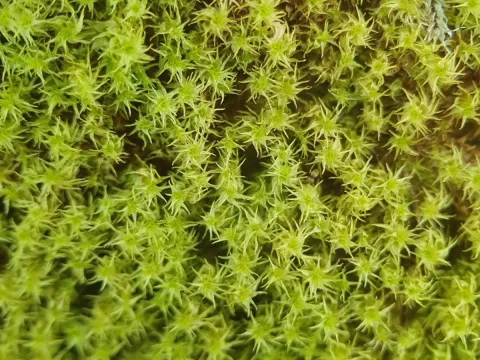
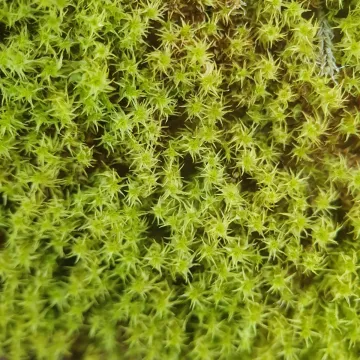
Botanically, the plant forms dense, yellowish-green tufts that can reach heights of several centimeters. Its leaves are lanceolate, often with serrated margins towards the apex. This specific morphology allows the moss to capture and retain moisture efficiently, facilitating its growth in habitats that might be too harsh for less specialized plant species.
In terms of environmental requirements, Dichodontium flavescens is highly sensitive to moisture fluctuations and air quality. It thrives best in well-shaded, humid areas with minimal human disturbance. Successful management in an ecological context involves preserving the hydrological integrity of its habitat, as the moss acts as a protective cover against soil erosion in stream-side environments.
The plant's utility is mainly ecological rather than agricultural. It is valued for:
- Soil stabilization on damp, sloped surfaces.
- Biomonitoring of air and water purity.
- Enhancing humidity in paludarium or terrarium settings.
Photo gallery