Dichodontium palustre
Dichodontium palustre
Description
Dichodontium palustre is a perennial moss species belonging to the family Dicranaceae. While not a conventional crop in industrial agriculture, it is recognized for its ecological importance and utility in specialized horticultural sectors, particularly in micro-landscape design and bio-remediation projects.
The origin and distribution of this moss are widespread across temperate and boreal regions of the Northern Hemisphere. It thrives in habitats characterized by constant humidity, such as stream banks, wetlands, and shaded damp slopes. Its ability to tolerate low light conditions makes it an essential species for maintaining soil stability in moisture-rich environments.
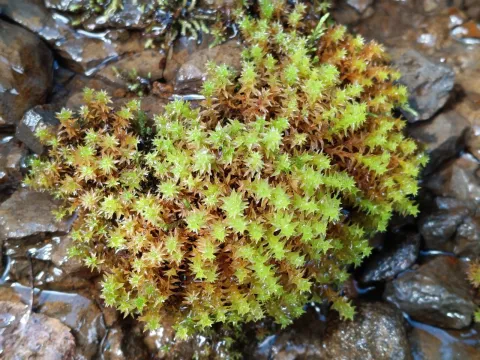
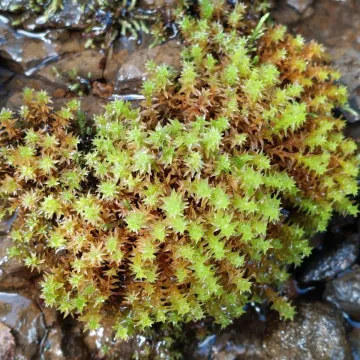
Botanically, Dichodontium palustre forms dense, yellowish-green cushions. Its leaves are linear-lanceolate with serrate margins, allowing the plant to effectively capture and store water. It lacks a true vascular system, relying on external humidity and rhizoids for nutrient absorption, which defines its specific ecological adaptation to water-logged substrates.
Agricultural techniques for this species focus on substrate management and humidity control. It requires an acidic or neutral organic medium with high water-retention capacity. Cultivation success depends on providing indirect light and frequent misting with soft or distilled water. Over-fertilization should be strictly avoided to prevent substrate acidification and moss decay.
The primary uses for Dichodontium palustre include terrarium building, vertical gardening, and environmental restoration of wet areas. It is generally resistant to pests. Typical problems arise from stagnation, which can encourage fungal pathogens. Maintaining adequate air circulation is critical for the long-term viability of the plant.
Photo gallery