Dichodontium pellucidum
Dichodontium pellucidum
Description
Dichodontium pellucidum is a species of acrocarpous moss belonging to the Dicranaceae family. In the field of botany and environmental management, it serves as a crucial bioindicator. While not a cultivated crop, its presence provides significant data regarding the hydrological health of a site, making it relevant for land management and agricultural planning.
The species has a broad distribution across the Northern Hemisphere, occurring in diverse temperate and subarctic regions. It is typically found in habitats characterized by permanent or seasonal high moisture, such as streambanks, wet cliffs, moist woodland trails, and areas with mineral-rich seepage water.
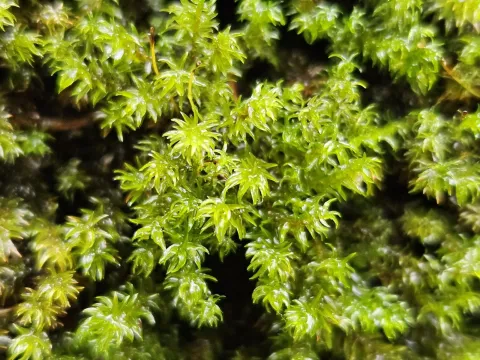
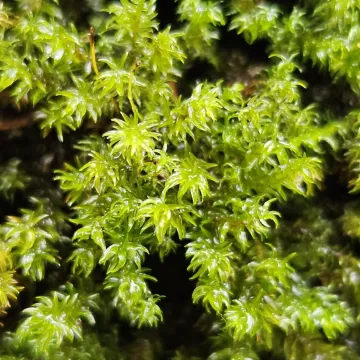
Botanically, this moss forms dense cushions that range from light green to dark olive. The stems are upright, and the leaves are lanceolate, often displaying distinct serration near the apex. A key diagnostic feature is the transparent nature of the upper leaf cells, which distinguishes it from many other moss species in the same family.
The ecological requirements for Dichodontium pellucidum are specific: it thrives in areas with consistent humidity, relatively high mineral availability, and cool temperatures. In agricultural environments, it is rarely considered a pest, but its colonization of drainage ditches or field margins acts as a signal for soil waterlogging, alerting managers to potential drainage issues.
The хозяйственное (economic/practical) significance of this species is largely ecological, focusing on soil stabilization and hydrological regulation. The plant is sensitive to water pollutants and agricultural runoff, which makes it an early warning system for environmental degradation. It does not suffer from specific agricultural pests, as it occupies a specialized ecological niche.
Photo gallery