Dichrocephala auriculata
Dichrocephala auriculata
Description
Dichrocephala auriculata is a notable herbaceous annual belonging to the Asteraceae family. Known for its medicinal applications and rapid biomass accumulation, this plant has gained attention in agricultural research for its potential as both a botanical product and an ecological soil enhancer.
The origin of this species is traced to the tropical and subtropical regions of Africa and Asia. It typically thrives in diverse environments, ranging from riverbanks and wetlands to agricultural landscapes such as irrigation ditches, where the soil moisture remains consistently high throughout the growth cycle.
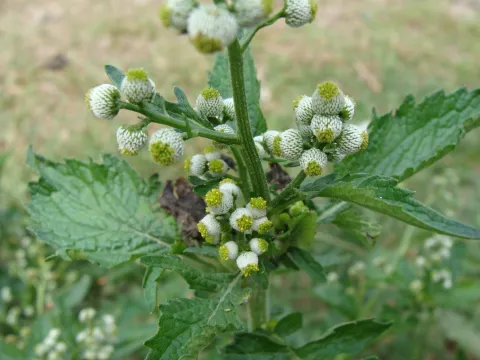
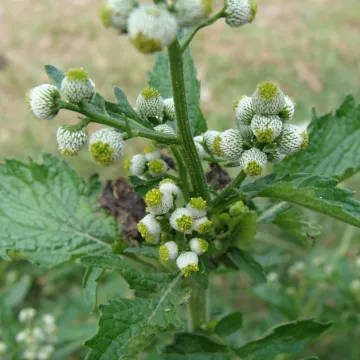
From a botanical perspective, the plant is characterized by its auriculate (ear-shaped) leaf bases, which give it its specific name. It develops a branching stem structure reaching heights of approximately 50–80 cm. The inflorescences are small, spherical, or discoid heads, typical of the genus, appearing in yellow or greenish-yellow clusters.
Agricultural requirements include well-drained but moist, nutrient-rich soils. The plant thrives in warm climates with temperatures ideally between 20°C and 28°C. Proper spacing is essential to ensure adequate airflow, reducing the risk of fungal infections, while supplemental watering is required during dry spells to maintain high photosynthetic activity.
Key хозяйственные uses for this crop include:
- Extraction of essential oils and active phytochemicals for pharmaceutical and cosmetic use.
- Soil enrichment as a green manure in permaculture systems.
- Use in local traditional medicine for its antimicrobial properties.
Photo gallery