Dicksonia sellowiana
Dicksonia sellowiana
Description
Dicksonia sellowiana is a remarkable species of tree fern belonging to the Dicksoniaceae family. Known for its distinct architectural presence, this fern is a highly sought-after specimen for botanical collections and professional landscaping projects that require a touch of prehistoric elegance.
The plant originates from the tropical and subtropical forests of Central and South America. Its natural range spans from Mexico down through Brazil and Argentina, where it thrives in high-altitude, humid forest environments. This native background is crucial for understanding its cultivation needs, as it prefers stable, mild, and moisture-rich habitats.
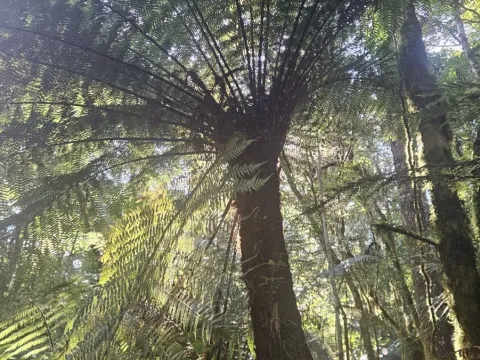
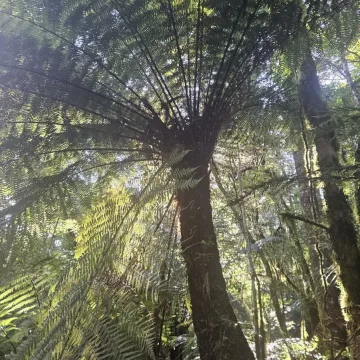
Botanically, Dicksonia sellowiana is characterized by its massive, upright trunk, which is essentially an accumulation of fibrous roots and rhizomes. A large crown of spreading, evergreen fronds emerges from the top. Unlike many other plants, its trunk does not undergo traditional secondary growth, but it serves as a storage organ for moisture and nutrients.
Regarding agrotechnics, the key to success is maintaining high humidity and avoiding extreme temperature fluctuations. The substrate must be porous and well-draining, typically consisting of a mix of peat, bark, and perlite. Providing constant moisture is essential, but the drainage must be efficient enough to prevent the crown and trunk from rotting.
In terms of usage, the plant is primarily cultivated as an ornamental feature in conservatories, atriums, and sheltered gardens. When it comes to pests, cultivators should monitor for scale insects and mealybugs, which are the most common threats. Good air circulation is essential to prevent fungal outbreaks, which can be devastating in closed growing environments.
- Avoid direct sunlight to prevent leaf scorching.
- Water the trunk directly during dry spells.
- Protect against frost to ensure winter survival.
- Provide balanced liquid fertilizer during the active growing season.
Photo gallery