Dicliptera peruviana
Dicliptera peruviana
Description
Dicliptera peruviana is a perennial herbaceous plant belonging to the Acanthaceae family. Recognized for its unique structural features, this species is a representative of the diverse tropical flora found in South America. In an agronomic and horticultural sense, it is categorized as a decorative greenhouse crop that requires specific environmental management to thrive in controlled settings.
The plant originates from the regions of Peru and adjacent areas, where it inhabits the understory of tropical forests. Its natural habitat is characterized by high humidity, filtered sunlight, and stable temperatures. Given these origins, the cultivation of this species is restricted to indoor environments, such as greenhouses or conservatories, in temperate regions, ensuring that the plant remains protected from frost and drying winds.
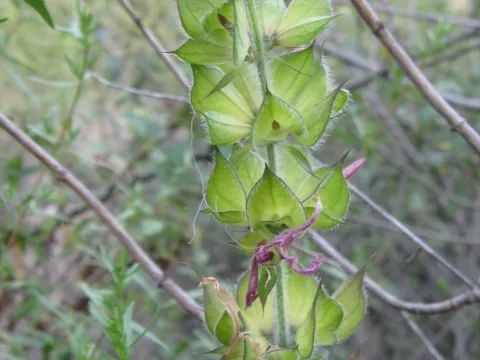
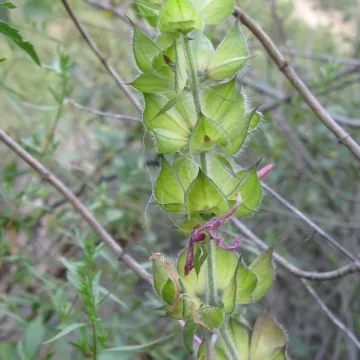
Botanically, the species is defined by its opposite leaf arrangement and distinctive bract-enclosed inflorescences. The stems often show a semi-prostrate habit, which makes it suitable for hanging baskets or tiered arrangements within a greenhouse setting. The root system is relatively shallow and requires a substrate that allows for sufficient aeration while maintaining consistent moisture levels to support healthy growth.
Successful agrotechnical management involves providing a well-draining potting medium rich in organic matter, typically a mix of peat moss and perlite or coarse bark. The plant prefers temperatures between 18°C and 24°C and high relative humidity. Fertilizer applications should be focused on balanced liquid feeds applied sparingly during the active growing season, with reduced watering frequency during the dormant months to prevent root issues.
Regarding хозяйственное usage, Dicliptera peruviana is primarily utilized for ornamental purposes in professional landscaping and botanical collections. It is not a major agricultural crop in the economic sense but holds significant value for ornamental horticulture. Common threats to the health of the plant include pests such as spider mites and aphids, which are common in greenhouse environments and can be controlled through regular inspection and integrated pest management practices.
- Family: Acanthaceae
- Temperature: 18-24°C
- Light exposure: Partial shade
- Substrate: Nutrient-rich, well-draining
Photo gallery