Dicoma capensis
Dicoma capensis
Description
Dicoma capensis is a perennial herbaceous plant belonging to the Asteraceae family. Known for its remarkable resilience, this species serves as a critical biological component in the arid agricultural landscapes of Southern Africa, thriving where conventional crops often fail.
Originating from the dry regions of South Africa, Botswana, and Namibia, this plant is well-adapted to extreme environmental stressors. Its evolutionary history has endowed it with the ability to manage water scarcity and high solar irradiance, making it a subject of interest for climate-resilient farming.
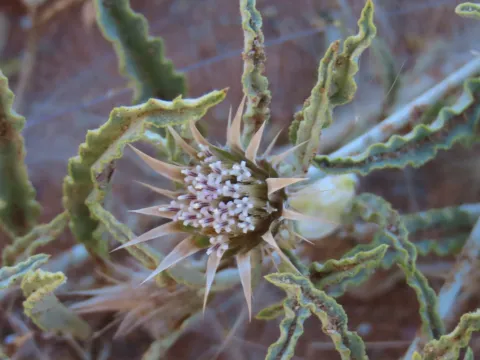
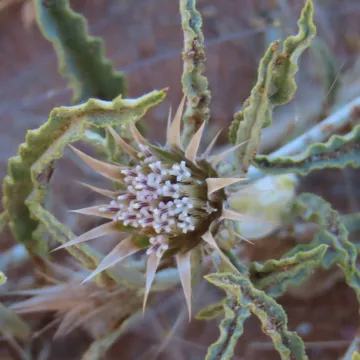
The botanical structure of Dicoma capensis features sclerophyllous leaves with specialized hairs that reduce transpirational water loss. Its root system is exceptionally deep, penetrating compacted or stony soils to reach deep water tables, which ensures survival during multi-year droughts.
From an agronomic perspective, the cultivation of this species requires minimal input. It prefers sandy or loamy soils with excellent drainage. Growers must ensure that the plant is not subjected to waterlogging, as the root zone is highly susceptible to fungal infections if moisture levels remain consistently high.
The commercial and practical utility of Dicoma capensis is primarily linked to its medicinal properties. The plant produces bioactive compounds used in traditional medicine for their anti-inflammatory and antiseptic effects. It also serves as a vital tool in soil stabilization and range management projects.
- Exceptional drought resistance
- Low soil fertility requirement
- Natural resistance to common pests
- Medicinal value of secondary metabolites
- Critical role in erosion control
Photo gallery