Dicranodontium asperulum
Dicranodontium asperulum
Description
Dicranodontium asperulum is a moss species belonging to the Dicranaceae family. While not an agricultural crop in the commercial sense, it serves as a critical biological indicator in forestry and ecological studies. It is widely recognized by bryologists for its specific habitat preferences and role in forest moisture retention.
The species is primarily native to mountainous regions and humid forest zones across the Northern Hemisphere. It thrives in cool, damp environments where it colonizes acidic substrates, including rotting logs, peat banks, and moist rocky outcrops. Its distribution is closely linked to stable, high-humidity microclimates found in undisturbed woodlands.
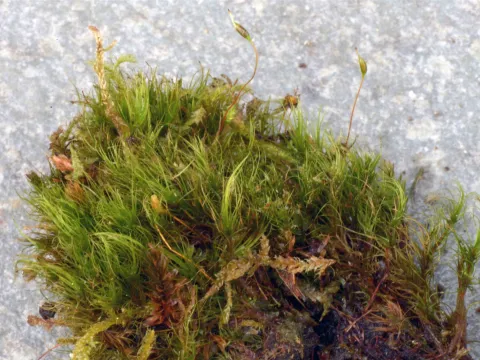
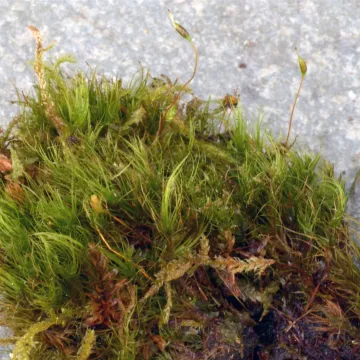
Botanically, this moss forms dense, compact tufts with slender, curved leaves. These structures allow the plant to efficiently absorb and retain water from atmospheric humidity, making it highly resilient to short-term fluctuations in ground water levels. The growth pattern is relatively slow, reflecting its adaptation to nutrient-poor but stable environments.
In terms of ecological requirements, it demands acidic soil conditions and high levels of atmospheric moisture. It is highly sensitive to environmental stress, including changes in temperature and air quality. Artificial cultivation is rarely attempted, as it requires specialized conditions that mimic its natural micro-habitat, such as high shade levels and specific pH balances.
Although it does not have traditional pests or diseases, the species is increasingly threatened by deforestation and industrial pollution. It lacks commercial application in agriculture but holds significant value for biodiversity conservation. Protecting the health of its habitat is the primary method of ensuring the survival of this delicate forest moss.
Photo gallery