Dicranodontium denudatum
Dicranodontium denudatum
Description
Dicranodontium denudatum is a species of moss belonging to the Dicranaceae family. While not an agricultural crop in the commercial sense, it serves as a critical component of forest floor ecosystems. It plays an essential role in moisture retention, nutrient cycling, and the overall stability of micro-habitats in temperate woodland regions.
The geographic distribution of this species spans across the temperate regions of the Northern Hemisphere. It is typically found in humid, shaded environments, thriving in conifer forests and mountainous areas. The moss prefers acidic substrates such as decaying logs, moist humus, or moss-covered rocky outcrops where moisture is consistently present throughout the growing season.
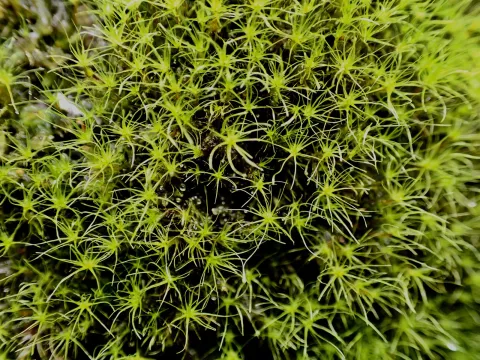
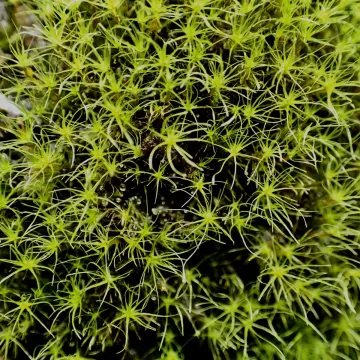
Botanically, Dicranodontium denudatum forms compact, dense tufts consisting of slender, setaceous leaves. One of the most notable features is the fragility of its leaves, which facilitates vegetative propagation via fragmentation. The plant has a specialized rhizoid system that allows it to anchor effectively to substrates and efficiently absorb water from the surrounding atmosphere.
Environmental requirements for this species include high air humidity and protection from direct solar radiation. It is highly sensitive to air pollution and changes in microclimatic conditions, which limits its presence to well-preserved forest stands. Management of areas containing this moss primarily involves protecting the forest canopy and maintaining the moisture levels of the floor, as the moss is highly susceptible to desiccation.
The primary utility of this species lies in its role as a bioindicator for environmental health. Because it reacts poorly to pollutants and habitat disturbance, its abundance serves as an indicator of ecosystem integrity. The species does not face traditional agricultural pests, though it is highly vulnerable to habitat fragmentation, drainage of peatlands, and atmospheric changes that alter the pH of rainfall.
Photo gallery