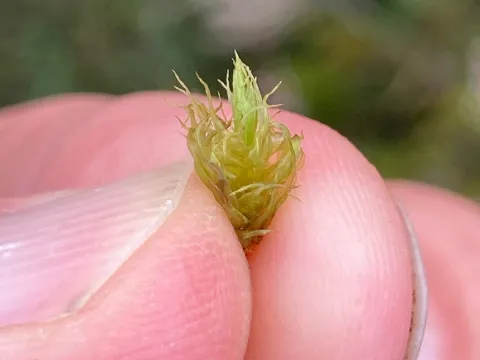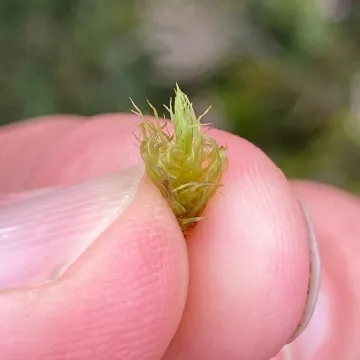
Dicranum moss
Dicranum spurium
Description
Dicranum spurium, commonly referred to as a species of Dicranum moss, belongs to the family Dicranaceae. In modern horticulture and specialty landscaping, this bryophyte is valued for its dense, mat-forming habit and its ability to thrive in environments where traditional ground cover plants fail to establish, making it a functional component for eco-restoration.
The natural range of Dicranum spurium spans the temperate regions of the Northern Hemisphere, including North America, Europe, and parts of Asia. It is typically found in habitats such as coniferous woodlands, heathlands, and damp forest floors where it occupies acidic, nutrient-poor substrates, playing a critical role in moisture retention and soil insulation.
Botanically, the plant forms distinctive grey-green or yellowish-green cushions. The stems are densely leafed, and the plant exhibits a notable physiological response to hydration, with leaves changing posture based on moisture availability. This adaptation allows the moss to survive seasonal fluctuations in rainfall by entering a state of dormancy during dry periods.
Cultivation requires specific environmental parameters: high humidity, filtered light or partial shade, and an acidic substrate. Successful propagation is achieved by transplanting small portions of healthy moss mats onto prepared, slightly acidic organic beds. Maintenance is minimal provided the moisture levels remain consistent and the water quality is free from high mineral content, which can alter soil pH.
The practical applications for this species include:
- Designing Japanese-style gardens and moss lawns;
- Use in terrariums and high-end indoor vertical landscapes;
- Preventing topsoil erosion on sloped, shaded garden areas;
- Educational purposes in botanical research and studies.
While remarkably robust, Dicranum spurium is susceptible to excessive heat and atmospheric pollution. Disease outbreaks are rare; however, poor ventilation in enclosed or damp environments can lead to fungal growth. The primary pest management strategy involves ensuring adequate airflow and maintaining the correct water profile to preserve the health of the moss colony.
Photo gallery