Dicranum tauricum
Dicranum tauricum
Description
Dicranum tauricum is a species of moss belonging to the family Dicranaceae. While not a traditional agronomic crop in the sense of large-scale commodity farming, it is increasingly treated as a specialized niche crop for the ornamental, terrarium, and environmental restoration industries.
The species originates from temperate regions of Eurasia, with a notable presence in the Crimea, the Caucasus, and parts of Europe. Its natural habitat is characterized by damp, shaded forest environments, where it typically colonizes decaying wood, tree stumps, and bark, playing a crucial role in carbon cycling and humidity regulation within forest ecosystems.
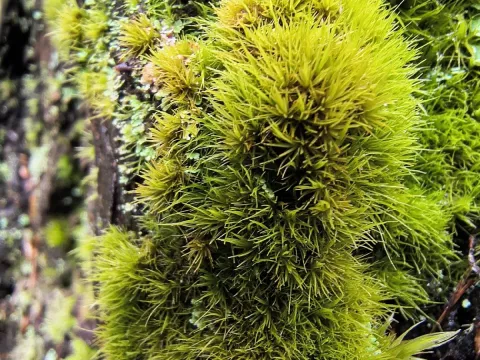
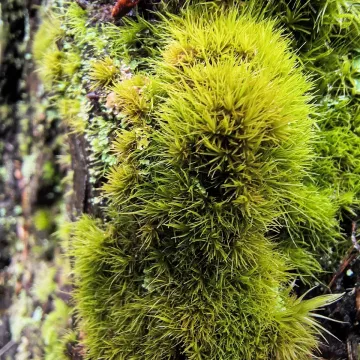
Botanically, this moss forms dense, bright green cushions composed of slender, curved, and crispate leaves. The plant exhibits high resilience to seasonal changes due to its ability to enter dormancy during periods of drought. Propagation for cultivation purposes is primarily achieved through vegetative fragmentation, which allows for the rapid expansion of colonies under controlled environmental conditions.
The cultivation requirements for Dicranum tauricum involve a strict microclimatic regime. The plant requires a acidic substrate (pH range 4.5–5.5), high humidity, and protection from direct sunlight, which can cause severe desiccation. In an agricultural setting, growers typically employ misting systems to maintain moisture levels while ensuring adequate ventilation to prevent the buildup of stagnant, anaerobic conditions.
The primary use of this moss is in landscape architecture, interior plant design, and as a biological component in vertical gardens. It is generally resistant to typical agricultural pests, though it may be susceptible to fungal pathogens if exposed to improper water management or poor airflow. Maintaining clean, sterile substrates during the initial establishment phase is key to preventing crop failure.
Photo gallery