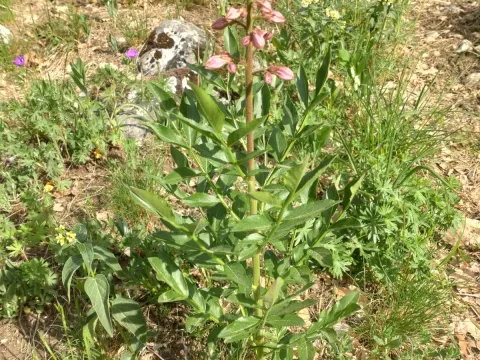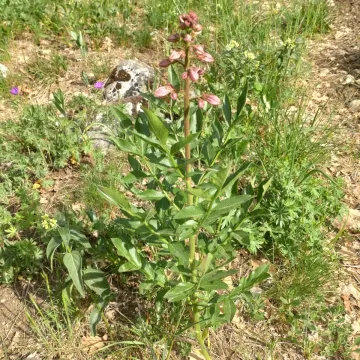
Burning bush
Dictamnus albus L.
Description
Dictamnus albus L., commonly known as the burning bush or gas plant, is a perennial herbaceous species belonging to the Rutaceae family. Recognized for its unique chemistry, the plant is native to temperate regions of Europe and Asia. It is valued both as an ornamental plant in horticulture and as a specialized crop for its essential oil production potential.
Botanically, the plant is characterized by a robust root system and upright stems reaching heights between 60 and 120 centimeters. The pinnate leaves and large, fragrant flowers appear in early summer. The common name refers to the plant's volatile essential oils, which can ignite under intense heat, providing a fascinating biological demonstration of natural plant chemistry.
The cultivation of Dictamnus albus requires specific environmental conditions to thrive. It prefers warm, sunny locations and well-drained, alkaline to neutral soils. It is highly intolerant of waterlogged conditions, which can lead to root rot. Successful growers emphasize site selection, choosing areas with full sun exposure and excellent aeration to ensure healthy development and optimal essential oil content.
Agronomic management involves standard practices such as mulching, weeding, and providing proper spacing to encourage airflow. Due to its essential oil content, the plant is relatively resistant to most pests and diseases. However, safety is a primary concern for workers; handling the plant in sunlight without protective gear can lead to severe photodermatitis, characterized by painful blisters similar to chemical burns.
In terms of agricultural and commercial use, Dictamnus albus has applications in pharmaceuticals, primarily for its historically noted anti-inflammatory and diuretic properties. In commercial horticulture, it is cultivated for its long-lived nature and aesthetic appeal. Given its resilience and perennial growth cycle, it remains an interesting subject for specialized herbal farming and sustainable landscaping projects.
- Optimal growth in sunny, well-drained sites.
- Preference for lime-rich, alkaline soil.
- Naturally resistant to many garden pests.
- Low requirement for heavy fertilizers.
- High potential for essential oil extraction.
Photo gallery