Dictyoloma incanescens
Dictyoloma incanescens
Description
Dictyoloma incanescens is a woody plant species belonging to the Rutaceae family. Native to South America, particularly Brazil, this tree is well-adapted to the distinct climatic conditions of tropical savannas and seasonal dry forests. It represents a significant element of regional biodiversity and a subject of interest for phytochemical research.
The plant is naturally distributed in regions characterized by distinct dry and wet seasons. It thrives in well-drained, nutrient-poor soils where it has evolved to minimize water loss through specific structural adaptations in its foliage. These evolutionary traits make it highly resilient in its native habitat against prolonged droughts.
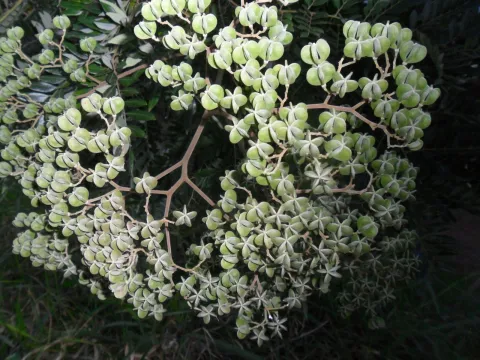
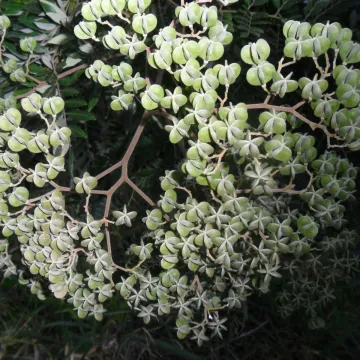
Botanically, Dictyoloma incanescens is recognized by its pinnately compound leaves covered with a fine, greyish pubescence, which gives the plant its scientific epithet. The flowers are arranged in terminal panicles, typical for the Rutaceae family. The plant's architecture is that of a small to medium-sized tree, capable of reaching significant heights under optimal growth conditions.
Agronomic requirements for this species include high solar irradiance and soil aeration. Irrigation should be managed carefully to avoid waterlogging, which facilitates the onset of root-rot pathogens. Propagation is typically achieved through seeds, requiring specific temperature regimes to break dormancy. Maintenance in a cultivation setting involves moderate soil fertilization and pruning of damaged branches.
Economically, the species is valued for its pharmacological potential due to the presence of alkaloids and limonoids in its tissues. Ongoing research explores its properties for medicinal and bio-industrial applications. Typical pests include various species of tropical wood-boring insects and leaf-miners, while effective disease management relies on maintaining proper plant spacing and ensuring sufficient air circulation.
Photo gallery