Didelta carnosa
Didelta carnosa
Description
Didelta carnosa is a resilient perennial subshrub belonging to the Asteraceae family. Known for its succulent-like properties, this plant species has evolved to thrive in some of the most challenging arid environments, demonstrating high efficiency in water management and environmental stress tolerance.
The plant originates from Southern Africa, primarily inhabiting the coastal regions of Namibia and South Africa. Its natural distribution is closely linked to saline-rich sandy soils and direct exposure to oceanic winds, which dictates the specific microclimatic conditions required for its successful growth in agricultural or nursery settings.
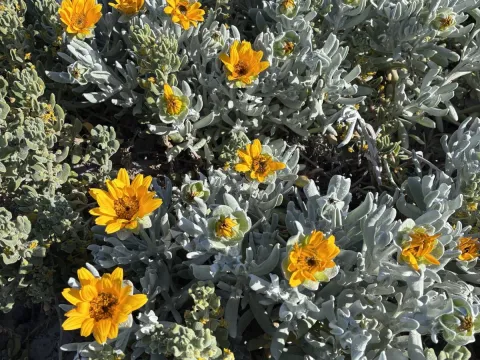
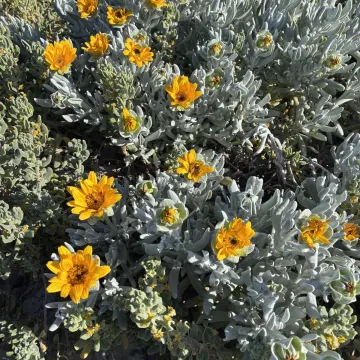
Botanically, Didelta carnosa is characterized by fleshy, succulent leaves covered with a fine indumentum that aids in reflecting sunlight and reducing water loss. Its inflorescences are distinct yellow daisy-like heads typical of the family. The root architecture is deep and anchoring, essential for survival in shifting dune landscapes.
Cultivation requirements focus heavily on soil structure and drainage. It performs best in well-draining, sandy or gravelly substrates with very low nutrient requirements. Over-irrigation is the primary cause of plant failure, so agricultural management must emphasize long intervals between watering to mimic the cyclical nature of its native climate.
Economically, this species is valued for coastal reclamation and xeriscaping projects. Its ability to stabilize sand dunes makes it an ecological asset in coastal management. While not a primary food crop, its potential as a specialized ornamental for arid landscaping continues to grow among sustainable gardening practitioners.
Photo gallery