
Didymochlaena truncatula
Didymochlaena truncatula
Description
Didymochlaena truncatula is a remarkable perennial fern species within the Dryopteridaceae family. Known for its distinct foliage and elegant growth pattern, this plant has gained recognition in ornamental horticulture as a premium foliage crop suitable for interior landscaping and specialized greenhouse production.
Originating from the tropical forests of Africa, Asia, and the Americas, the species is naturally adapted to high-humidity, low-light environments. In a cultivation context, these origins dictate the need for specific microclimate control to prevent physiological stress, which manifests as leaf tip browning or premature wilting of the fronds.
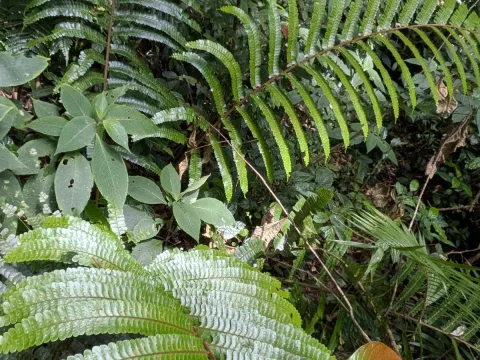
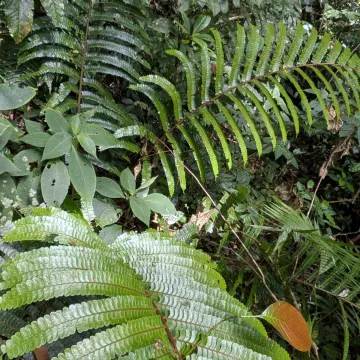
The botanical structure of the plant features a rhizomatous root system and compound fronds that display a unique color transition, starting as bronze-tinged young leaves and maturing into deep green, glossy leaflets. These segments are characterized by a truncatula form, providing a distinct aesthetic appeal that differentiates this fern from more common cultivars.
Agronomic requirements emphasize the necessity of a well-draining, slightly acidic soil medium rich in organic matter. Cultivators must ensure consistent moisture levels without waterlogging the roots, as the plant is highly susceptible to root rot. Shade-cloths are frequently utilized in commercial greenhouses to protect the plants from excessive light intensity and heat stress.
- Temperature Range: 18–24°C (64–75°F)
- Humidity Requirements: Above 60% relative humidity
- Substrate: Peat-based mix with excellent drainage
- Light Exposure: Partial shade to filtered light
- Propagation: Division of rhizomes or spore germination
The primary economic use of Didymochlaena truncatula is within the high-end nursery trade and interior design sector. Due to its slow-to-moderate growth rate and specific cultural needs, it is positioned as a niche product for collectors and professional decorators managing indoor botanical installations and public conservatory spaces.
Common pests include spider mites, mealybugs, and scale insects, which often proliferate when ambient humidity levels are inadequately maintained. Disease management focuses on preventing pathogenic fungi, particularly those affecting the root zone, through strict irrigation protocols and the use of sterile growing media. Integrated pest management strategies are recommended to maintain plant vitality.
Photo gallery