Smooth foxglove
Digitalis laevigata
Description
Smooth foxglove (Digitalis laevigata) is a herbaceous perennial plant belonging to the family Plantaginaceae. It is a distinct species within the genus Digitalis, characterized by its smooth, glabrous foliage and unique floral structure, which distinguishes it from the more common hairy varieties of foxglove found in temperate climates.
The native range of this species is primarily centered in the mountainous regions of Southeastern Europe, particularly the Balkans. As an agricultural crop, it is cultivated in nurseries specializing in medicinal herbs. It thrives in regions that offer a temperate climate with mild summers and well-defined seasons, which are essential for the proper development of its medicinal compounds.
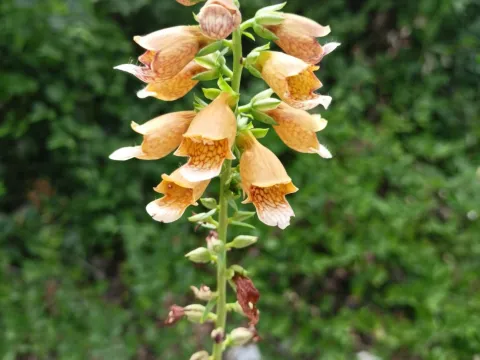
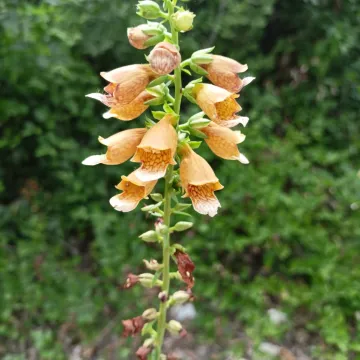
Botanically, the plant features an erect stem reaching up to one meter in height. Its leaves are lanceolate, leathery, and entirely hairless, appearing deep green throughout the season. The flowers are arranged in long, terminal racemes and exhibit a unique coloration, often showing shades of yellow, brown, and ochre, which are highly attractive to pollinators.
The cultivation of Digitalis laevigata requires well-drained, fertile soil with a neutral to slightly acidic pH. Proper field preparation, including the incorporation of organic matter, is crucial for high yields. It is sensitive to waterlogging, necessitating the selection of fields with adequate natural drainage or the installation of drainage systems to prevent root rot during wet periods.
The primary economic use of smooth foxglove is in the pharmaceutical industry, as the plant is a source of cardiac glycosides. Because the plant is toxic, strict handling procedures must be followed during harvesting and processing. Common pests include aphids and mites, while fungal diseases like powdery mildew pose the greatest risk to crop health in humid conditions.
- Ensure optimal light exposure for the biosynthesis of active compounds.
- Implement regular weeding schedules to maintain crop vigor.
- Monitor for fungal infections during the flowering stage.
- Apply balanced fertilization to support root and leaf development.
Photo gallery