Digitalis minor
Digitalis minor
Description
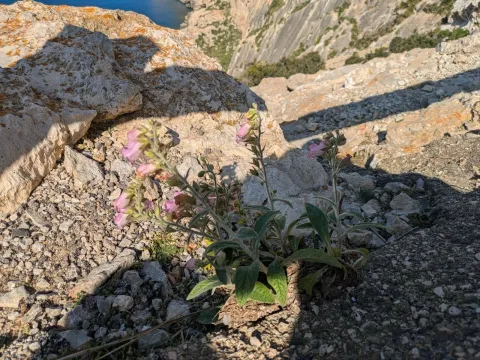
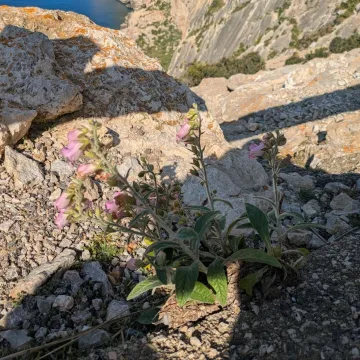
Digitalis minor is a perennial herbaceous plant belonging to the family Plantaginaceae. It is a distinctive species endemic to the Balearic Islands, naturally adapted to growing in limestone crevices and rocky slopes, which defines its preference for specific ecological niches and drainage conditions.
The botanical profile of the plant features a basal rosette of oblong, pubescent leaves and a compact flowering stalk reaching up to 40 cm in height. The inflorescence consists of tubular, rose-to-purple flowers that are highly valued for their delicate appearance. Its small stature differentiates it from other common foxglove species, making it an excellent candidate for specialized ornamental garden beds.
Regarding climate and soil, this species thrives in sunny or semi-shaded environments with excellent drainage. It prefers light, rocky, or sandy soils with a neutral to slightly alkaline pH. The plant is drought-tolerant once established, but it is extremely sensitive to waterlogged conditions, which can lead to rapid physiological decline and root rot.
Cultural practices for Digitalis minor involve starting seeds in a sterile, well-draining substrate and ensuring they receive proper stratification. During the growth cycle, minimal fertilization with balanced nutrients is sufficient. Regular weeding and careful monitoring of the moisture levels around the crown are vital for long-term survival in garden settings.
In terms of agricultural and horticultural use, this species is primarily cultivated for aesthetic purposes in rock gardens and containers. Like other members of the Digitalis genus, it contains bioactive compounds, which makes it a subject of biochemical research. Growers should remain vigilant against common pests such as aphids and fungal diseases like powdery mildew, ensuring good air circulation to mitigate these risks.
Photo gallery