Small-flowered foxglove
Digitalis parviflora Jacq.
Description
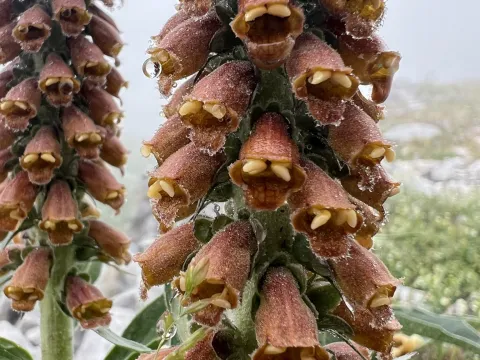
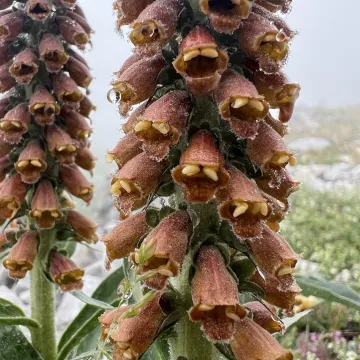
Small-flowered foxglove (Digitalis parviflora) is a distinctive perennial herbaceous plant belonging to the Plantaginaceae family. It is highly valued in horticulture for its architectural structure and dense, unique spikes of small, chocolate-brown to reddish-brown flowers that emerge from a basal rosette.
Originating from the mountain regions of Spain, this species is adapted to rocky environments and well-drained soils. Its wild habitat has shaped its resilience to drought and moderate environmental stress, making it a reliable choice for gardeners in temperate climates who seek low-maintenance but visually striking specimens.
Botanically, the plant is characterized by its stiff, upright stems that can reach up to 80 cm in height. The dark foliage provides a perfect backdrop for the densely packed, tube-shaped flowers. Unlike other foxgloves, this species is appreciated for its refined, almost elegant appearance rather than large, flashy blooms.
Successful cultivation requires a sunny location with excellent drainage. The plant thrives in poor to moderately fertile, neutral or slightly alkaline soils. It is critical to ensure that the crown of the plant stays dry during winter months to prevent rotting, as excess moisture is the primary threat to the longevity of the plant.
- Sow seeds in spring or early autumn for germination.
- Ensure soil is loose and aerated to support root development.
- Mulch lightly in colder regions to protect against winter frost.
- Deadheading is recommended to maintain the plant's aesthetic appeal.
In terms of usage, the plant is primarily utilized as an ornamental element in herbaceous borders, Mediterranean-style gardens, or rockeries. While the plant contains cardiac glycosides common to the genus, its use is strictly reserved for expert horticultural and pharmaceutical research. Typical pests include aphids, and growers should monitor for signs of fungal infections in humid, stagnant weather.
Photo gallery