Pangola grass
Digitaria decumbens
Description
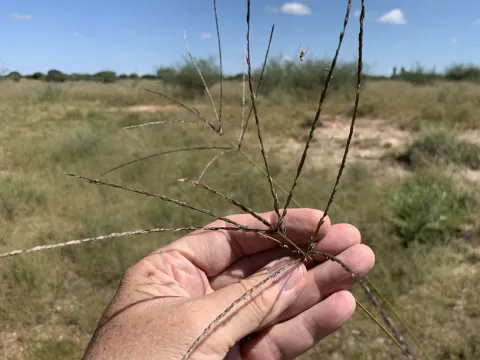
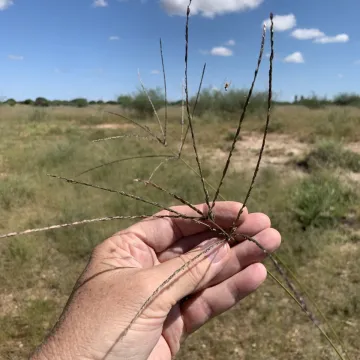
Pangola grass, botanically classified as Digitaria decumbens, is a robust perennial grass belonging to the Poaceae family. It is recognized globally as a premier forage crop, highly valued for its exceptional biomass production and adaptability to tropical and subtropical environments.
Originating from Africa, this species has been successfully introduced to various parts of the world, including the Americas and Australia. Its ability to thrive in warm climates and withstand significant grazing pressure has made it a cornerstone of pastoral agriculture in many regions across the globe.
The morphology of this grass is defined by its stoloniferous growth habit, where stems trail along the ground and develop roots at the nodes. This characteristic allows the plant to form a dense mat that effectively prevents soil erosion and suppresses weeds, while the narrow, succulent leaves provide high-quality forage.
Regarding agronomic requirements, Pangola grass prefers well-drained soils and thrives under consistent rainfall or irrigation. Propagation is typically achieved through vegetative cuttings or stolons, as the plant rarely produces viable seeds in many introduced ranges. Frequent fertilization, particularly with nitrogen, is essential to maintain vigorous growth and sustained yields.
The primary use of the crop is for intensive grazing and hay production, as it is highly palatable and nutritionally dense for ruminant livestock. Producers should be aware of potential issues such as stunt disease, transmitted by leafhoppers, and rust fungi, which require integrated pest management strategies to ensure long-term pasture viability.
Photo gallery